
Technical Encyclopedia
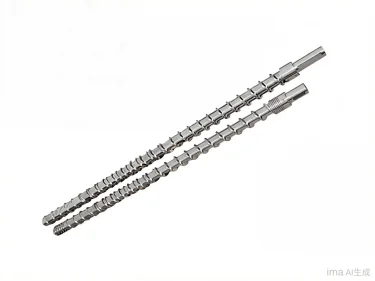
Difference Between Twin Screw and Triple Screw in Stretch Film Machine
In stretch film manufacturing, the extruder's screw configuration is the heart of quality and efficiency. This analysis reveals why triple-screw systems deliver over 50% higher output and superior film clarity compared to conventional twin-screw designs...
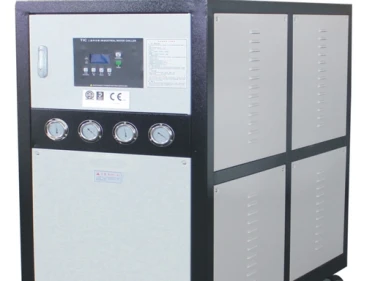
Function of Cooling Water System in Stretch Film Production
In stretch film extrusion lines, the circulating water cooling system is far from an auxiliary component—it is the pivotal element determining film performance and production stability. Through precise temperature control and efficient heat exchange, it directly addresses three core challenges: shear heat accumulation from high-speed extrusion, bridging risks in the feeding zone, and crystallization control...
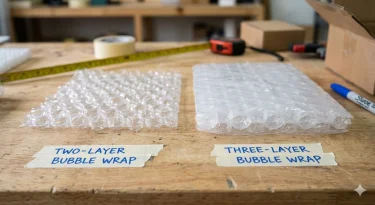
Comparison Between 2-Layer and 3-Layer Bubble Film
2-layer bubble film consists of one flat PE layer and one bubble layer, making it lightweight, flexible, and cost-effective for everyday wrapping. 3-layer film adds a second flat layer, sandwiching the bubbles. This provides superior puncture resistance, enhanced cushioning, and longer air retention for heavy-duty protection.
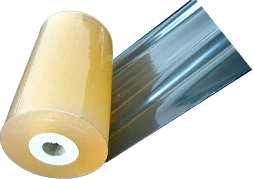
Difference Between Motor Power, Heating Power and Total Power in Stretch Film Machines
Understanding the distinct roles of motor power (mechanical drive), heating power (thermal processing), and total power (system load) is critical for optimizing stretch film production efficiency and cost...

Factors Determining Product Width in Stretch Film Machines
Achieving optimal film width isn't just about die size. Learn how die configuration, neck-in effect, extrusion capacity, edge trimming, and quenching systems work together to determine your final product width and maximize production efficiency...
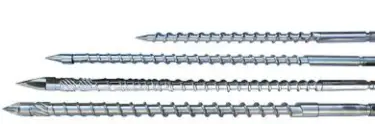
The Effect of Different Screw Diameters on Stretch Film Machine
Choosing the right screw diameter for your stretch film machine isn't just a technical detail—it's a strategic business decision impacting output, quality, and your bottom line. Let's explore how this critical dimension directly influences your production efficiency and the properties of the film you produce...
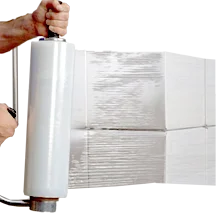
Why Wider Products Require Heavier Stretch Film Machines
In stretch film extrusion lines, the circulating water cooling system is far from an auxiliary component—it is the pivotal element determining film performance and production stability. Through precise temperature control and efficient heat exchange, it directly addresses three core challenges: shear heat accumulation from high-speed extrusion, bridging risks in the feeding zone, and crystallization control...
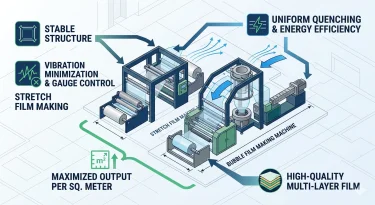
Impact of Overall Dimensions on Stretch Film Making Machine and Bubble Film Making Machine
The footprint of a Stretch Film or Bubble Film Making Machine is not just a spatial consideration; it's a fundamental design parameter dictating production efficiency, energy consumption, and final product quality. Optimal geometry ensures stability for precise gauge control...
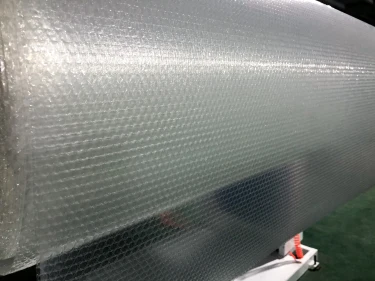
Factors Affecting the Output of Air Bubble Film Machines
Maximizing air bubble film machine output requires precise engineering synchronization across four core systems. This technical guide reveals how...
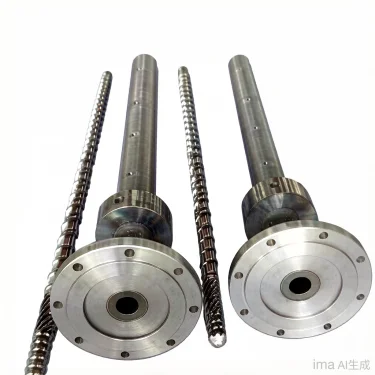
The Impact of Different Screw Diameters on Air Bubble Film Machines
In bubble film production, screw diameter is the unsung hero driving your ROI. This technical deep-dive reveals how strategic sizing from 1600mm to 3000mm lines transforms output quality and profitability. Learn engineering principles...
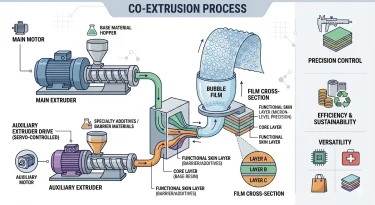
Technical Significance of the Auxiliary Extruder Motor in Bubble Film Making Machine
This technical deep dive explores the critical role of the auxiliary extruder motor in advanced bubble film machinery. It explains how precise control over functional layers directly translates to superior product performance, operational efficiency, and a significant competitive edge for manufacturers.
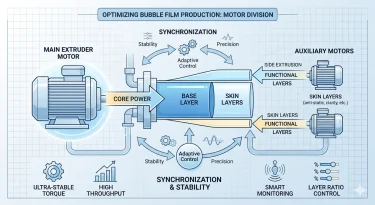
Technical Significance of the Main Extruder Motor in Bubble Film Making Machine
In multi-layer bubble film production, the main extruder motor is not merely a power unit; it is the cornerstone of structural integrity and profitability. Its torque stability ...
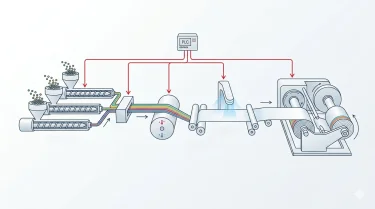
The Role of PLC Control Systems in Stretch Film and Bubble Film Making Machines
PLC control systems revolutionize stretch film and bubble film production by precisely managing extrusion speed, temperature, and layer thickness. This technology enhances product consistency, reduces material waste, and supports mu
Stretch Film Manufacturing Machine: Advantages of Using mLLDPE Raw Materials
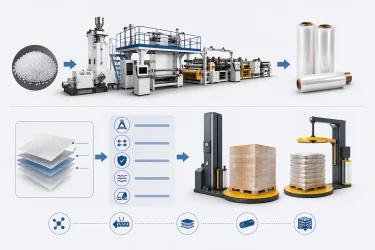
This white paper details the engineering superiority of stretch film machines optimized for mLLDPE resins. It explores how this material-technology synergy delivers unprecedented puncture resistance and stretch...
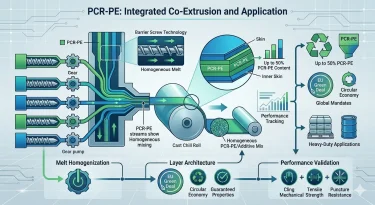
Stretch Film Making Machine: Advantages of Using PCR-PE Raw Materials
Discover how our advanced stretch film making machine, optimized for PCR-PE resins, enables production of films with up to 50% recycled content. This technology leverages multi-layer co-extrusion to maintain superior puncture resistance and load stability while significantly reducing carbon footprint and raw material costs. It is the definitive solution for manufacturers seeking to comply with global circular economy regulations and gain a competitive edge...
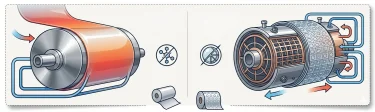
Cooling System Guide: Cast Stretch Film Machines vs. Bubble Film Machines
Explore how advanced cooling systems define product quality in cast stretch and bubble film machines. From steel chill rolls to copper-alloy vacuum drums, learn the technology behind superior output.
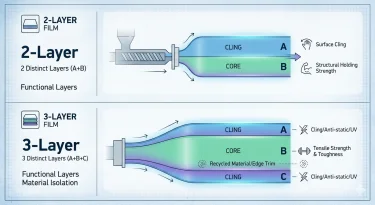
Structural Differences of Film Produced by 2-Layer and 3-Layer Stretch Film Making Machine
For B2B buyers, choosing between 2-layer and 3-layer stretch film machines is a strategic investment in product performance. The AB structure offers a balance, while the ABC architecture provides engineered layering for superior, application-specific performance...
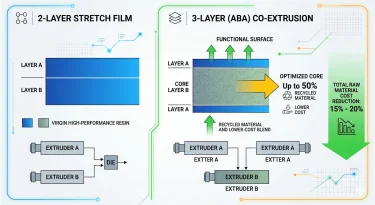
Stretch Film Making Machine Raw Material Cost Comparison: 2-Layer vs. 3-Layer
In the competitive world of industrial packaging, raw material cost is king. This technical analysis delves into the core advantage of 3-layer co-extrusion stretch film machinery, demonstrating how its ABA structure delivers a 15-20% reduction in material costs compared to standard 2-layer films. We break down the engineering principles...
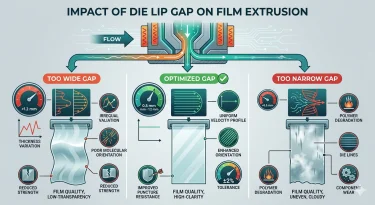
The Impact of Die Lip Gap on Stretch Film Quality
Die lip gap critically influences stretch film properties. Precise control affects film thickness, uniformity, and mechanical performance. Excessive gaps cause gauge variation and reduced tensile strength...
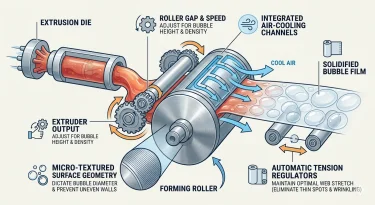
The Role of Forming Roller in Bubble Film Making Machine Explained
In bubble film production, the forming roller shapes and stabilizes molten polymer into uniform bubbles. By precisely controlling bubble size, thickness, and surface tension, it ensures consistent film quality. Combined with air cooling and tension regulation, the forming roller is critical for efficient, defect-free bubble film production...