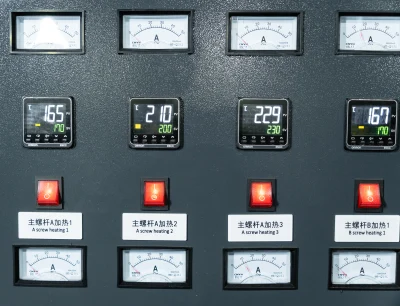
Power Supply Requirements for Stretch Film Lines
In modern stretch film production, power supply stability directly affects machine performance, film quality, and long-term equipment reliability. Whether running 2-layer, 3-layer, or 5-layer co-extrusion lines, the electrical system must deliver consistent energy to the extrusion units, servo drives, heating zones, and winding systems. Any fluctuations in voltage, phase balance, or frequency can compromise extrusion pressure, film gauge control, layer bonding, and overall production efficiency.
A properly engineered power supply system is therefore not just an electrical requirement but also an essential part of a high-performance stretch film line. By ensuring stable voltage, balanced power distribution, and reliable protection for sensitive control components, manufacturers achieve superior film properties and minimize unexpected downtime during continuous 24/7 production.
Power Supply Challenges Affecting Stretch Film Production Stability
During industrial stretch film manufacturing, lines often operate continuously 24/7 under high-speed production conditions. Subpar electrical configurations or unstable factory power environments can introduce several challenges that compromise both equipment operation and final stretch film performance.
Voltage fluctuations are the most common threats to extrusion and winding stability. When voltage spikes or sags, motor torque becomes unstable. In extrusion systems, this can lead to screw speed variations and irregular melt output. In winding systems, torque instability causes variations in web tension, resulting in an uneven stretch film profile and inconsistent package quality.
In multi-layer stretch film production, power instability is amplified because each layer requires precise volumetric metering. A small variation in motor speed or extrusion pressure disrupts the thickness distribution of individual layers, compromising overall stretch film consistency and layer adhesion.
Another common issue is three-phase power imbalance. Modern stretch film lines integrate multiple synchronized drive systems, including extruder motors, traction motors, and automatic winding units. If the three-phase supply is unbalanced, electrical components receive uneven loads, causing torque ripple and disrupting speed synchronization between machine sections.
This instability directly degrades important production parameters such as web tension, pre-stretch ratio, and winding accuracy. In demanding applications like logistics packaging, industrial pallet wrapping, and heavy-duty protective packaging, tension variations compromise the mechanical strength and field performance of the finished stretch film.
Poor grounding and line frequency flaws can also threaten machine reliability. Sensitive electrical components like PLCs, servo drives, temperature control modules, and sensors require a clean, noise-free electrical environment. Electrical interference, voltage surges, or frequency drifts lead to control errors, nuisance tripping, and accelerated aging of electronic components.
Advanced Power Supply Design for Reliable Stretch Film Machines
To ensure reliable operation under demanding industrial production conditions, a high-quality stretch film line requires a carefully designed electrical configuration. A standard 380V, three-phase, four-wire, 50Hz system provides the needed balance and capacity for high-load extrusion equipment.
This power supply delivers ample capacity to run high-torque extrusion motors, heating zones, servo drives, and auxiliary units simultaneously. Stable voltage allows the extrusion screw to maintain consistent rotational speed, ensuring uniform polymer melting and steady flow through the co-extrusion feed block and T-die.
Precise melt delivery relies directly on this electrical stability. When the system maintains uniform motor speed, the line delivers consistent melt pressure and precise gauge control, ultimately yielding stretch film with superior thickness uniformity.
The three-phase setup delivers smoother energy transmission and superior load distribution across all machine zones, guaranteeing stable torque output for extrusion, traction, and winding motors. As a result, the line achieves full synchronization across all process stages, supporting precise web tension control and consistent stretch film properties.
For multi-layer co-extrusion, this balance is critical because each extrusion unit must operate in sync to maintain the designed layer ratios. Stable power distribution prevents process fluctuations that could otherwise cause thickness variation, delamination, or inconsistent mechanical performance.
Reliable Four-Wire Configuration for Electrical Protection
The four-wire power configuration provides essential safety and stability by including a dedicated neutral line alongside the system's grounding conductor. This design shields critical electrical components from voltage disturbances and enhances the reliability of the entire control system.
Modern stretch film lines rely heavily on advanced automation systems, including PLCs, servo drives, temperature controllers, and automatic tension adjustment devices. These components require clean, stable power to maintain precise operation.
A properly implemented grounding system effectively mitigates electromagnetic interference(EMI), which can otherwise disrupt communication signals between sensors, controllers, and drive units. By minimizing electrical noise, the line maintains higher feedback accuracy for critical process parameters like motor speed, barrel temperature, and web tension.
In continuous 24/7 production environments, robust electrical protection minimizes the risk of unexpected shutdowns caused by electrical faults. This ensures uninterrupted production and reduces maintenance downtime, allowing manufacturers to maximize equipment availability.
Frequency Stability for Precise Film Processing
Stable frequency is another critical factor affecting the performance of stretch film equipment. Motors and drive systems depend on a consistent power supply frequency to maintain accurate operating speeds. Line frequency fluctuations can trigger speed drifts, increased vibration, and degraded control accuracy.
For stretch film production, precise speed synchronization between the extrusion, chill roll casting, stretching, and winding sections is essential. Even minor speed mismatches can influence film thickness, stretch ratio, and roll profile.
A stable 50Hz industrial power environment ensures consistent motor operation and supports tight process control. Combined with advanced servo drives and closed-loop control technology, frequency stability allows the line to maintain reliable production parameters over extended operating periods.
This is critical for manufacturers producing high-performance stretch films that require exacting mechanical properties, such as high tensile strength, superior elongation, and consistent cling.
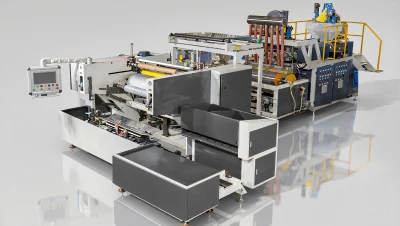
Benefits of Optimized Power Integration in Stretch Film Making Machines
A properly designed power supply system elevates overall line performance by establishing a stable foundation for the entire manufacturing process. With steady voltage, balanced three-phase loads, robust grounding, and frequency stability, a stretch film line achieves superior extrusion consistency, tighter tension control, and higher overall stretch film quality.
This electrical stability directly supports uniform stretch film gauge by eliminating fluctuations in extrusion output. This is crucial for multi-layer co-extrusion, where each layer must maintain a precise thickness ratio and strong interlayer adhesion.
Consistent power delivery also enhances the precision of automatic winding systems. Uniform motor torque ensures steady winding tension, yielding finished rolls with cleaner edge profiles and smoother unwinding performance.
In addition, optimized power management extends the service life of electrical and mechanical components. Mitigating electrical stress on motors, heating zones, servo drives, and control systems prevents premature failure and cuts long-term maintenance costs.
For manufacturers operating continuous 24/7 production lines, these advantages translate directly into higher overall equipment effectiveness (OEE), fewer unplanned stops, and consistently superior product quality.
Power Supply Solutions for High-Performance Stretch Film Making Machines
The power supply system is a critical foundation for achieving reliable and efficient stretch film production. From extrusion stability and layer bonding to tension control and equipment durability, every stage of the manufacturing process depends on consistent electrical performance.
Our stretch film lines utilize a robust 380V, three-phase, four-wire, 50Hz power configuration designed specifically for demanding industrial production environments. Through optimized electrical integration and advanced control technology, the line ensures stable operation for extrusion systems, servo drives, heating units, and automatic winding systems.
Whether producing standard packaging stretch films or advanced multi-layer stretch films, our equipment is engineered to deliver consistent stretch film quality, reliable performance, and long-term production efficiency. With a solid electrical foundation, manufacturers can maximize output, reduce maintenance costs, and produce premium-quality stretch film that meets demanding global packaging standards.