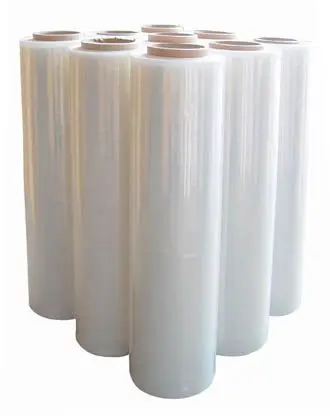
Stable output is one of the most important requirements in modern stretch film production. When a production line operates continuously for long periods, the extrusion system must maintain a consistent material supply, stable melt pressure, and accurate processing conditions to ensure reliable film quality.
The actual output of a stretch film machine is determined by how efficiently the extrusion system converts polymer resin into a uniform melt stream. Screw design, drive performance, and extrusion control all have a direct influence on production capacity, energy efficiency, and the consistency of the finished film.
Extrusion Screw Design Determines Material Processing Capacity
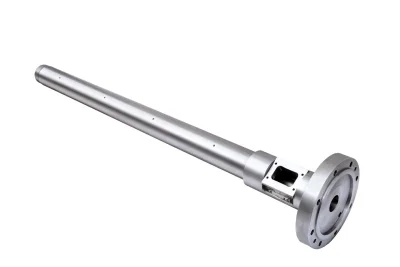
The extrusion screw is the first key factor affecting the output capability of a stretch film machine. During cast extrusion, the screw is responsible for transporting resin, completing plasticization, mixing additives, and delivering a stable melt flow to the die.
A larger screw diameter increases the available conveying volume, allowing more material to be processed during each rotation. Compared with smaller screw configurations that require higher rotational speeds to achieve greater output, optimized large-diameter screws can provide higher throughput with more stable processing conditions.
The screw length-to-diameter ratio (L/D) also plays an important role in melt quality. An extended L/D design provides sufficient processing length for the resin to pass through feeding, compression, and metering sections. This allows gradual melting and more uniform mixing before the material enters the die system.
For stretch film production, consistent melt quality is essential because even small variations in material temperature or composition may affect transparency, elongation performance, and puncture resistance. A properly designed extrusion screw helps maintain a stable melt condition throughout continuous operation.
High-Torque Drive Systems Support Stable Production
The extrusion screw requires a drive system that can maintain accurate rotation under changing production conditions. During operation, the resistance created by molten polymer inside the barrel changes according to material characteristics, temperature settings, and output requirements.
A reliable stretch film machine uses a motor and gearbox combination designed to provide stable torque transmission throughout the extrusion process. AC vector-controlled drive systems are widely used in modern extrusion equipment because they offer precise speed regulation and responsive load adjustment.
When extrusion resistance changes, the drive system can adjust power output to maintain consistent screw speed. This stability helps prevent fluctuations in melt delivery and supports more uniform film thickness during long production runs.
The gearbox also contributes to reliable operation by transferring torque efficiently from the motor to the screw. A properly matched drive system reduces mechanical stress and improves the overall durability of the extrusion unit.
Melt Pressure Stability Improves Film Quality and Production Efficiency
Output capacity and film quality are closely connected through melt pressure control. A high-output extrusion system must deliver a stable melt stream to the die to achieve uniform film formation.
Unstable pressure conditions may result in thickness variations, uneven layer distribution, or inconsistent stretching performance. These issues become more noticeable in thin-gauge film production, where precise control of material distribution is required.
By combining optimized screw geometry, stable drive performance, and accurate temperature management, modern stretch film machines can maintain a more consistent extrusion process. This allows manufacturers to produce films with reliable mechanical properties while reducing production waste caused by process fluctuations.
Integrated Extrusion Engineering for Higher Manufacturing Efficiency
The output of a stretch film machine is the result of multiple systems working together. The extrusion screw determines how efficiently resin is processed, while the drive system ensures stable mechanical operation. Temperature control, die performance, and winding accuracy further influence the final production result.
A balanced machine design allows manufacturers to increase production capacity without sacrificing film quality. This is particularly important for applications requiring lightweight films with high strength, where stable processing conditions are necessary to achieve consistent performance.
Through optimized extrusion engineering, manufacturers can improve production efficiency, reduce material losses, and maintain reliable operation across different film specifications.
Engineering Stretch Film Machines for Stable Industrial Output
With experience in cast extrusion technology, our stretch film machines are designed around stable output, precise processing control, and long-term production reliability.
By integrating optimized extrusion screws, efficient drive systems, and advanced control technology, our equipment provides manufacturers with a dependable solution for producing high-quality stretch films across different applications.
From standard packaging films to advanced thin-gauge stretch films, consistent extrusion performance is the foundation of efficient production. Our engineering team works with customers to develop suitable machine configurations according to production targets, material requirements, and application conditions.