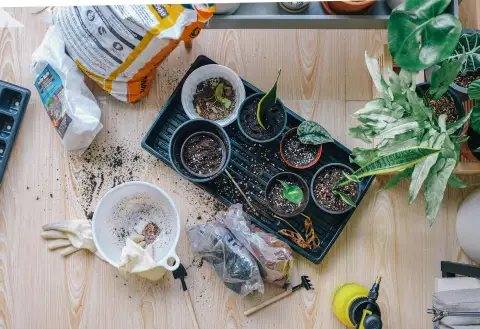
The transportation of live plants requires careful consideration of both physical protection and environmental conditions. During long-distance logistics, nursery plants, ornamental trees, shrubs, and landscaping materials are often exposed to vibration, wind pressure, handling impacts, and moisture changes. Traditional bundling methods, including ropes, plastic straps, and rigid tying materials, may provide basic fixation but can create concentrated pressure points that damage branches, stems, or outer plant surfaces.
In recent years, stretch film has become an increasingly practical packaging solution for plant bundling applications. With its flexibility, controlled holding force, and moisture retention capability, high-quality stretch film helps stabilize plants during transportation while reducing the risk of mechanical damage. For manufacturers producing agricultural and logistics films, selecting a suitable stretch film manufacturing machine is essential to achieving consistent film performance and meeting the requirements of professional plant packaging applications.
Packaging Challenges in Live Plant Transportation
Live plant logistics involves more complex requirements than conventional product packaging. Unlike industrial goods, plants are sensitive to external pressure, temperature fluctuations, and moisture loss. During transportation, loose branches and foliage can experience repeated movement caused by vehicle vibration or loading changes. Without proper stabilization, excessive movement may result in broken branches, damaged leaves, and reduced product quality after delivery.
Traditional binding materials often apply force only at several contact points. When the tension is concentrated in a small area, delicate plant structures may suffer from abrasion or compression damage. In addition, materials such as ropes or straps usually provide limited surface coverage, leaving plants exposed to airflow during open transportation.
Root ball packaging presents another challenge. Many plants require protection against excessive moisture evaporation after being removed from the growing environment. A suitable stretch film layer can help reduce direct exposure to airflow and maintain more stable humidity conditions around the wrapped area, supporting better handling performance during storage and transportation.
These challenges have increased demand for packaging materials that provide secure bundling while offering greater flexibility and adaptability for different types of plants.
How Stretch Film Supports Efficient Plant Bundling
Stretch film provides several advantages for agricultural packaging because of its balanced mechanical properties. Unlike rigid binding materials, stretch film distributes holding pressure over a wider surface area. This allows operators to secure branches and foliage without creating excessive pressure on individual sections of the plant.
The elasticity of stretch film also helps maintain package stability during transportation. When applied with appropriate tension, the film creates a compact structure that reduces unnecessary movement inside the load. This is particularly useful for nurseries and landscaping suppliers that transport multiple plants together or prepare large quantities of products for commercial projects.
Another important feature is the film’s ability to provide temporary protection against environmental exposure. Depending on the film formulation, stretch wrap can reduce moisture loss caused by direct airflow and provide an additional barrier against dust and external contaminants. For outdoor transportation or extended shipping periods, this protective function helps maintain better product appearance when plants reach their destination.
Modern agricultural stretch films are typically produced using multi-layer co-extrusion technology. Different layers can be designed for specific functions, such as improved puncture resistance, controlled cling performance, enhanced elasticity, and better tear strength. This allows manufacturers to develop films suitable for different plant sizes, transportation methods, and packaging requirements.
Improving Logistics Efficiency with Stretch Film Packaging
Beyond plant protection, stretch film contributes to improved operational efficiency in agricultural supply chains. Nurseries and landscaping companies often need to prepare large quantities of plants for shipment within limited timeframes. A consistent stretch film product enables faster wrapping processes and more reliable packaging results.
High-quality stretch film can help reduce the overall volume of bundled plants by gently gathering loose branches and foliage. This improved load organization allows transportation space to be used more efficiently, whether shipping by truck, container, or other logistics methods.
For large-scale operations, film consistency is especially important. Variations in thickness, elasticity, or adhesive performance may affect wrapping efficiency and increase material waste. Stable film production allows packaging operators to maintain consistent wrapping results while reducing unnecessary consumption.
Recyclable polymer materials and optimized film structures are also becoming increasingly important in agricultural packaging. By improving material efficiency and reducing excessive film usage, manufacturers can support more sustainable packaging practices while maintaining required performance.
Manufacturing Requirements for Agricultural Stretch Film
Producing reliable plant bundling stretch film requires precise control throughout the extrusion process. A professional stretch film manufacturing machine should provide stable material processing, accurate thickness control, and consistent winding performance.
Multi-layer co-extrusion technology is commonly used for producing high-performance stretch films because each layer can perform a specific function. For example, the inner layer may be designed to provide appropriate cling characteristics for secure wrapping, while the outer layers can improve strength, puncture resistance, and handling performance.
The extrusion system plays an important role in maintaining film quality. Stable temperature control, precise screw design, and accurate material feeding help ensure uniform melting and mixing of polymer materials. These factors directly influence film transparency, mechanical strength, and stretching behavior.
Thickness control is another critical factor for agricultural stretch film production. Uneven thickness can create weak areas that affect film durability during application. Advanced stretch film manufacturing machine configurations can integrate automatic gauge control systems to monitor and adjust film thickness during continuous production, improving consistency across the entire film width.
The winding system also affects the final product quality. Proper tension control during winding helps produce smooth rolls with stable film performance during transportation and application. For industrial customers, reliable roll quality reduces production interruptions and improves packaging efficiency.
Producing Customized Stretch Film for Plant Applications
Different plant packaging applications require different film characteristics. Small ornamental plants may require flexible films with good cling performance, while larger trees or heavier bundles may require higher puncture resistance and stronger holding force.
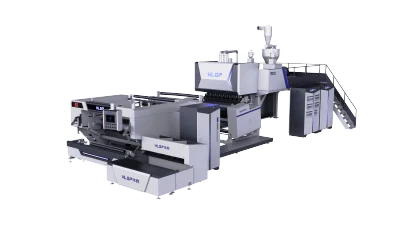
Our well-designed stretch film manufacturing machine allows producers to adjust film structures according to market requirements. By controlling layer ratios, raw material combinations, and production parameters, manufacturers can develop specialized films for agricultural packaging, nursery transportation, and landscaping supply chains.
Additional functional materials, such as UV-resistant additives or modified polymer blends, can also be considered depending on the transportation environment. For example, plants transported over long distances or exposed to outdoor conditions may benefit from films with improved weather resistance.
This flexibility enables film producers to serve a wider range of customers and develop packaging solutions that match specific application needs rather than relying on one standard film formulation.
Selecting the Right Stretch Film Manufacturing Machine for Your Business
The growing demand for efficient agricultural packaging creates new opportunities for stretch film manufacturers. However, producing high-quality plant bundling film requires more than selecting suitable raw materials. The performance of the production equipment directly influences film stability, production efficiency, and long-term operating costs.
Our reliable stretch film manufacturing machine should combine advanced extrusion technology, accurate process control, efficient winding systems, and flexible production capabilities. These features allow manufacturers to produce consistent stretch films with the mechanical properties required for demanding applications such as plant bundling and agricultural logistics.
For more information about stretch film manufacturing machine configurations and production capabilities, contact our engineering team to discuss your specific film requirements.