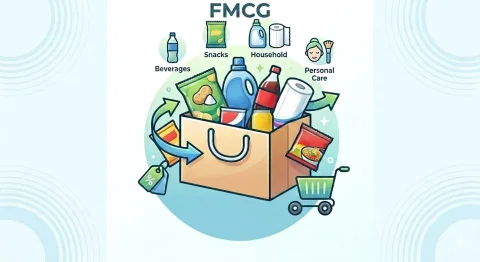
The FMCG (Fast-Moving Consumer Goods) industry requires efficient and reliable pallet packaging solutions to support high-volume distribution across warehouses, transportation networks, and retail channels. As companies focus on reducing plastic consumption and increasing recycled content, sustainable stretch film has become an important part of modern logistics packaging.
However, producing environmentally friendly stretch film while maintaining strength, stretchability, and load stability remains a challenge. Traditional film production methods may struggle with PCR material integration and lightweight film production, creating the need for advanced stretch film manufacturing machine technology that can deliver both sustainability and consistent packaging performance.
The Role of Stretch Film in FMCG Supply Chain Protection
Stretch film plays an important role in modern FMCG distribution by securing palletized goods during storage, handling, and transportation. Unlike simple protective packaging materials, stretch film creates a controlled wrapping force around products, helping maintain pallet integrity throughout the entire logistics process.
In FMCG warehouses, products are often transported through multiple stages before reaching the final consumer. Pallets may experience vibration during truck transportation, movement during loading and unloading, and pressure changes during storage. High-quality stretch film helps prevent cartons from shifting, collapsing, or separating from the pallet, reducing product damage and improving operational efficiency.
For industries such as beverage distribution, food processing, and household product logistics, packaging consistency is especially important. A single unstable pallet can lead to damaged products, increased handling time, and additional waste. Therefore, manufacturers need stretch film with consistent thickness distribution, reliable tensile strength, and stable cling performance.
Beyond traditional protection functions, modern stretch film is also becoming an important tool for sustainable logistics management. Through advanced film structures, manufacturers can integrate recycled materials while maintaining required packaging performance. Multi-layer film technology allows different materials to perform specific functions, such as providing strength, flexibility, transparency, or recycled content support.
This approach enables FMCG companies to reduce dependence on virgin resin while continuing to meet the practical requirements of large-scale distribution operations.
Advanced Stretch Film Manufacturing Machine for PCR Integration
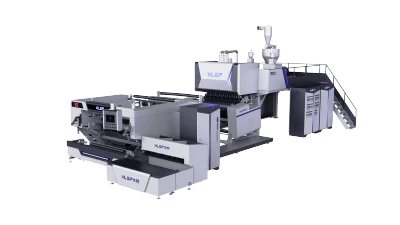
A modern stretch film manufacturing machine provides the production capability required for sustainable FMCG packaging applications. By combining multi-layer co-extrusion technology, precise material control, and advanced processing systems, the machine allows manufacturers to develop stretch films with optimized performance and increased recycled content.
One of the key advantages of advanced stretch film production technology is the ability to integrate PCR-PE materials into selected layers of the film structure. Instead of relying on a single material composition, multi-layer designs distribute different functions across individual layers. This makes it possible to introduce recycled materials while maintaining the outer layer properties required for high-speed packaging operations.
For example, recycled materials can be incorporated into inner layers, while performance-focused layers provide the necessary puncture resistance, stretching ability, and load containment force. This structure helps manufacturers produce sustainable stretch film suitable for FMCG applications where packaging reliability cannot be compromised.
The stretch film manufacturing machine is designed with accurate extrusion control to maintain stable material flow and consistent film quality. Precise temperature management, optimized screw and barrel design, and reliable thickness control systems help reduce production fluctuations and improve film uniformity. These capabilities are especially important when processing recycled materials, which may have greater variations compared with virgin polymers.
By improving PCR processing stability, manufacturers can support FMCG customers in achieving their recycled content targets while maintaining efficient production performance.
Down-Gauging Technology for Material Reduction and Cost Efficiency
Lightweight packaging has become one of the most effective strategies for reducing plastic consumption in the FMCG sector. However, producing thinner stretch film requires advanced manufacturing accuracy because reduced thickness leaves less tolerance for performance variation.
A high-performance stretch film manufacturing machine enables precise down-gauging production, allowing manufacturers to produce thinner films while maintaining required mechanical properties. Modern stretch film solutions can achieve thickness levels around 11-12 microns for suitable applications while still providing reliable pallet containment force.
Through optimized extrusion processes and accurate thickness control, manufacturers can reduce resin consumption without significantly affecting packaging performance. Depending on application requirements, lightweight stretch film solutions may help reduce material usage by approximately 8-15% compared with conventional thicker films.
For FMCG companies operating large-scale distribution networks, even small reductions in film consumption can create significant environmental and economic benefits. Lower resin usage means reduced raw material costs, decreased transportation weight, and improved sustainability performance across the supply chain.
Flexible Film Production for Different FMCG Applications
FMCG products vary greatly in weight, shape, and transportation requirements. A pallet of bottled beverages requires different containment performance compared with lightweight household products or packaged consumer goods. Therefore, flexible production capability is essential for stretch film manufacturers serving diverse markets.
An advanced stretch film manufacturing machine allows operators to adjust material combinations, layer structures, and processing parameters according to different application requirements. Manufacturers can develop films with higher puncture resistance for heavy pallets, improved stretch performance for automatic wrapping lines, or enhanced clarity for retail-oriented applications.
For example, beverage manufacturers may require strong holding force due to the high pallet weight, while household goods distributors may prioritize lightweight and cost-efficient packaging solutions. By optimizing film formulations, producers can provide customized packaging materials for different FMCG logistics scenarios.
This flexibility also helps film manufacturers respond to changing market trends, including increased demand for recycled content films, biodegradable material research, and customized sustainable packaging solutions.
Supporting the Future of Sustainable FMCG Packaging
As environmental regulations continue to develop worldwide, FMCG companies are under increasing pressure to improve packaging sustainability. Policies related to extended producer responsibility (EPR), recycled content requirements, and plastic waste reduction are encouraging businesses to rethink traditional packaging methods.
Investing in a sustainable stretch film production solution enables manufacturers to support this transition while maintaining commercial competitiveness. A reliable stretch film manufacturing machine provides the foundation for producing recyclable, lightweight, and high-performance packaging materials that meet the evolving needs of global logistics.
For stretch film producers, adopting advanced equipment is not only about improving production efficiency but also about creating long-term value for customers. The ability to manufacture PCR-compatible and down-gauged stretch film allows businesses to serve FMCG companies that are actively seeking more sustainable packaging partners.
With accurate control systems, flexible production capabilities, and support for modern material technologies, our stretch film manufacturing machine helps manufacturers develop efficient packaging solutions for high-volume FMCG distribution. By combining sustainability with reliable film performance, it provides a practical pathway toward greener logistics and a more circular packaging future.