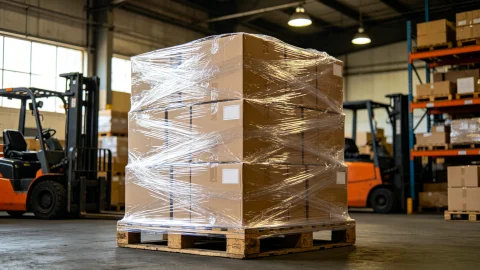
In modern logistics networks, operational throughput and financial efficiency depend heavily on end-of-line packaging reliability. High-performance stretch film machines serve as critical links in integrated supply chains, transforming linear low-density polyethylene (LLDPE) into strategic assets. By matching specific film engineered configurations to precise transit demands, these systems eliminate bottlenecks, safeguard cargo, and drive cross-docking efficiency.
1. Advanced Film Tailoring for Diverse Supply Chain Cargo Types
Different logistics segments encounter distinct transit vulnerabilities. A dedicated stretch film machine optimizes supply chains by engineering specific multi-layer film structures tailored to precise load profiles:
- Heavy and Shifting Freight: For secure transit of 2-ton loads of canned beverages or dense industrial goods, a 3-layer stretch film machine or 5-layer stretch film machine co-extrudes high-tensile packaging material. This advanced layer configuration prevents pallet shifting during extreme truck vibrations and long-haul overland transits.
- Fragile and Crush-Sensitive Logistics: For vulnerable shipments like glass containers, the production line utilizes advanced die-head controls and specialized resin formulations to engineer films with customized elastic recovery. The resulting film maintains a high holding force without inducing excessive inward crushing pressure, protecting brittle packaging structures across turbulent transit loops.
- Uniform Light-Industrial Shipping: For consistent, lighter shipments such as industrial paper rolls or empty plastic bottles, a 2-layer stretch film machine serves as a cost-effective workhorse. It yields optimal surface cling and dust protection, preventing over-packaging in cost-sensitive distribution networks.
2. Multi-Tier Warehouse and Distribution Center Optimization
Material handling facilities require distinct film grades to keep pace with fluctuating fulfillment demands. A premium stretch film machine optimizes warehouse operations by enabling film manufacturers and suppliers to deliver standard-compliant, engineered packaging consumables:
- High-Throughput Logistics Consumables: In centralized fulfillment hubs, packaging lines require extreme film uniformity. A fully automatic stretch film machine ensures continuous, high-speed extrusion with automated winders and quick-change roll-handling systems, producing high-volume machine-grade wrap with flawless unwinding properties that prevent snaps on high-speed automated wrapping lines.
- Localized Distribution Flexibility: A semi-automatic stretch film machine or mid-scale extrusion line allows manufacturers to rapidly adjust production parameters for regional distribution demands. It standardizes the film’s roll-to-roll consistency, ensuring that localized distributors receive uniform, defect-free hand or machine wraps.
- Transitioning from Manual Labor Grade to Machine Grade: Advanced manufacturing controls on the production line allow for the custom tailoring of high-performance machine-grade films. These films enable logistics centers to replace inefficient, thick manual hand-wrap with thin, uniform machine-grade films, reducing localized film consumption by 18% to 40% across warehousing networks.
3. Preserving Integrity in Harsh Cold Chain and Overland Transits
Supply chain loops expose cargo to severe thermal and mechanical stress. An advanced stretch film machine mitigates these environmental risks on the road by modifying film characteristics directly during the co-extrusion process:
- Extreme Microclimates: Through precise multi-layer resin blending, the production line manufactures specialized films that maintain high puncture resistance inside sub-zero cold-storage facilities and resist softening or tearing under 90°F asphalt heat during long-distance overland freight.
- Mechanical Shock Resistance: Motorized MDO (Machine Direction Orientation) systems and precision cooling rolls on advanced film lines deliver high pre-stretch capabilities up to 300%. This molecular-level alignment during extrusion vastly increases the film’s elastic recovery, allowing the final wrapped load to absorb heavy shocks from potholes and sudden transit braking without collapsing.
4. Financial and Sustainability Impact on Supply Chain ROI
The integration of an advanced film manufacturing line directly improves the corporate profit and loss (P&L) statement by optimizing the thickness and performance of the wrapping material:
- Resin Cost Reduction Through Down-Gauging: High-performance extrusion technology allows for severe down-gauging—producing ultra-thin nano-layer films with pinpoint gauge tolerances. This slashes raw LLDPE material consumption by 30% to 40% per roll, lowering overall packaging procurement costs and reducing the plastic tax burden in strictly regulated markets.
- Eliminating Customer Chargebacks: By producing co-extruded films with superior holding force and puncture resistance, the machinery ensures that consumer packaged goods (CPG) networks can secure their loads flawlessly, eliminating costly returned pallets and administrative transit-damage chargebacks.