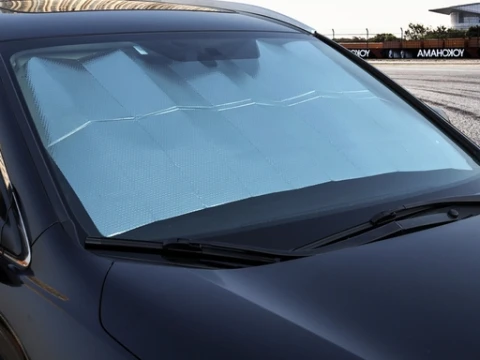
Extreme weather conditions have created increasing challenges for automotive thermal management. During hot summer conditions, vehicles parked under direct sunlight can experience rapid temperature increases inside the cabin, affecting passenger comfort, interior material durability, and electronic component performance. In cold environments, maintaining a stable cabin temperature also requires effective insulation solutions to reduce heat loss and improve energy efficiency.
With the development of electric vehicles, smart vehicles, and high-comfort automotive designs, thermal insulation materials have become an important part of automotive aftermarket products and vehicle accessory manufacturing. Automotive insulation bubble film has become an effective material solution by combining the thermal barrier characteristics of air bubble structures with reflective surface layers.
Challenges of Traditional Automotive Heat Insulation Materials
Heat Damage Caused by Long-Term Sun Exposure
When vehicles are exposed to strong sunlight for extended periods, solar radiation can significantly increase the temperature inside the cabin. High temperatures may accelerate the aging of dashboards, leather seats, plastic components, and electronic systems.
Traditional fabric sunshades or simple reflective covers often provide limited thermal protection because they mainly block visible light without creating an effective thermal barrier. For automotive users, especially in regions with hot climates, better insulation performance is required to improve interior protection and driving comfort.
High-performance bubble insulation materials help reduce heat transfer by combining reflective layers with enclosed air structures. The air trapped inside the bubbles reduces direct thermal conduction, while reflective films help minimize radiant heat absorption.
Limited Performance of Conventional Insulation Solutions
Automotive thermal insulation products must balance several requirements, including heat resistance, lightweight structure, durability, and convenient installation. Some conventional solutions, such as adhesive window films or fixed insulation materials, may create problems during application and removal.
Adhesive-based products can leave residue on glass surfaces, require professional installation, or become difficult to replace after long-term use. In contrast, non-adhesive bubble insulation materials can provide flexible application options while maintaining stable thermal performance.
The production quality of these materials depends heavily on the precision and reliability of bubble film manufacturing machines. Consistent bubble size, uniform film thickness, and strong layer bonding are essential factors that determine the final insulation performance.
Increasing Thermal Management Requirements for Electric Vehicles
Electric vehicles rely heavily on efficient thermal management systems because battery energy must be used carefully for both driving and cabin climate control. During extreme temperatures, excessive cooling or heating demand can increase energy consumption.
Effective automotive insulation materials help reduce heat exchange between the vehicle interior and external conditions. By lowering thermal load during hot weather and reducing heat loss in cold environments, insulation products can support more efficient HVAC operation and improve passenger comfort.
For manufacturers developing EV accessories and thermal protection products, producing lightweight and reliable insulation materials has become an important market opportunity.
Advantages of Bubble Film in Automotive Thermal Insulation Applications
Reflective Layers Improve Solar Heat Protection
One of the key advantages of automotive insulation bubble film is its ability to incorporate reflective materials into the multilayer structure. Aluminum foil, metallized PET film, and other reflective layers can be combined with the bubble core to reduce solar radiation absorption.
The reflective surface helps redirect radiant heat away from the vehicle interior, while the bubble layer provides additional thermal resistance. This composite structure creates a lightweight insulation solution suitable for windshield covers, vehicle sunshades, and other automotive thermal protection products.
Through flexible layer combinations, manufacturers can adjust material performance according to different application requirements, including outdoor exposure, seasonal use, and aftermarket product specifications.
Air Bubble Structure Creates a Thermal Barrier
The internal air layer is the core feature of bubble insulation materials. Each bubble unit creates a small enclosed space that slows heat transfer and improves insulation performance compared with simple single-layer plastic films.
To achieve reliable thermal performance, the bubble structure must maintain consistent diameter, height, and wall thickness. Uneven bubbles may affect insulation efficiency and reduce the overall quality of finished products.
Advanced bubble film manufacturing machines use precision vacuum forming systems and stable extrusion control to create uniform bubble structures. This allows manufacturers to produce insulation films with consistent appearance, mechanical strength, and thermal properties.
Lightweight and Flexible Design for Automotive Applications
Automotive insulation materials must be easy to handle, install, and store. Bubble film offers advantages such as low weight, flexible structure, and easy cutting, making it suitable for various vehicle protection products.
Compared with heavier insulation materials, bubble-based solutions provide a practical balance between thermal performance and portability. They can be converted into customized shapes and sizes for different vehicle models, supporting both aftermarket accessories and specialized automotive applications.
How Bubble Film Manufacturing Machines Support High-Quality Automotive Insulation Film Production
In-Line Lamination Technology for Multilayer Composite Materials
High-quality automotive insulation bubble film often requires multiple material layers working together. A typical structure may include polyethylene bubble film as the core layer combined with aluminum foil, metallized film, or other functional layers.
Modern bubble film manufacturing machines can integrate in-line lamination systems to improve production efficiency and bonding stability. By combining extrusion, bubble forming, and composite processes in one production line, manufacturers can reduce additional processing steps while maintaining consistent product quality.
Reliable lamination performance is especially important for automotive applications because insulation products may experience temperature changes, bending, and repeated handling during use.
Precision Bubble Forming System for Stable Insulation Performance
The bubble forming process directly affects the final thermal insulation characteristics. Advanced equipment uses accurately designed vacuum rollers and cooling systems to maintain uniform bubble geometry throughout production.
Stable temperature control and precise extrusion parameters ensure that polymer melt flow remains consistent, reducing variations in bubble size and film thickness. This helps manufacturers produce insulation materials with improved durability and predictable performance.
For automotive thermal insulation applications, consistent bubble formation is essential because every section of the finished roll needs to provide similar protection performance.
High-Precision Winding and Slitting for Finished Roll Quality
After forming and lamination, the final winding process determines storage stability and downstream processing efficiency. Automotive insulation materials require neat rolls with controlled tension to prevent wrinkles, deformation, or uneven edges.
Advanced winding and slitting systems provide accurate tension control and smooth roll formation, making finished materials easier to transport, cut, and convert into final automotive products.
Stable winding performance also helps manufacturers maintain consistent product appearance, which is important for premium automotive accessory markets.
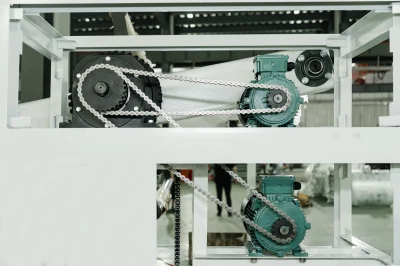
Advancing Automotive Thermal Insulation Production with Bubble Film Technology
The automotive industry is moving toward higher comfort standards, improved energy efficiency, and more advanced material solutions. As vehicle thermal management becomes increasingly important, demand for lightweight and high-performance insulation materials continues to grow.
Bubble insulation film provides a practical solution by combining reflective protection, air-layer thermal resistance, and flexible processing characteristics. However, achieving reliable product quality requires advanced manufacturing technology that can precisely control extrusion, bubble forming, lamination, and winding processes.
As a professional equipment manufacturer, we provide high-performance bubble film manufacturing machines designed for producing automotive thermal insulation materials. Our machines integrate stable extrusion technology, precision bubble forming systems, efficient composite solutions, and reliable winding control to help customers manufacture high-quality insulation films for automotive applications.
With flexible configurations and customized production solutions, our bubble film manufacturing machines support manufacturers in developing advanced thermal protection products, improving production efficiency, and expanding opportunities in the growing automotive insulation material market.