
Product Attribute
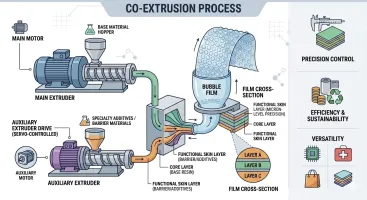
Technical Significance of the Auxiliary Extruder Motor in Bubble Film Making Machine
This technical deep dive explores the critical role of the auxiliary extruder motor in advanced bubble film machinery. It explains how precise control over functional layers directly translates to superior product performance, operational efficiency, and a significant competitive edge for manufacturers.
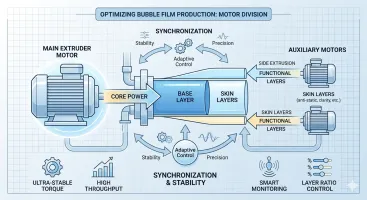
Technical Significance of the Main Extruder Motor in Bubble Film Making Machine
In multi-layer bubble film production, the main extruder motor is not merely a power unit; it is the cornerstone of structural integrity and profitability. Its torque stability ...
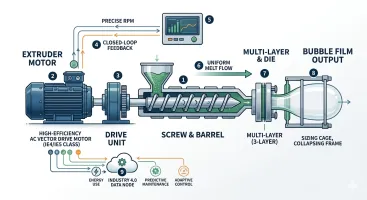
Technical Function of the Extruder Motor in Bubble Film Making Machine
In bubble film production, consistent quality and output are paramount. The extruder motor is the core power source driving this precision, directly impacting film uniformity, machine throughput, and operational costs. This technical analysis explores how...
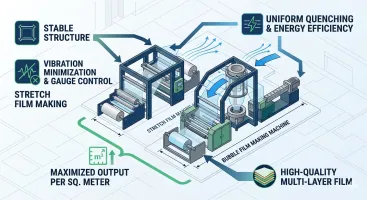
Impact of Overall Dimensions on Stretch Film Making Machine and Bubble Film Making Machine
The footprint of a Stretch Film or Bubble Film Making Machine is not just a spatial consideration; it's a fundamental design parameter dictating production efficiency, energy consumption, and final product quality. Optimal geometry ensures stability for precise gauge control...
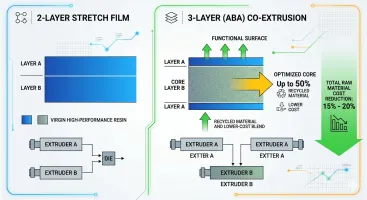
Stretch Film Making Machine Raw Material Cost Comparison: 2-Layer vs. 3-Layer
In the competitive world of industrial packaging, raw material cost is king. This technical analysis delves into the core advantage of 3-layer co-extrusion stretch film machinery, demonstrating how its ABA structure delivers a 15-20% reduction in material costs compared to standard 2-layer films. We break down the engineering principles...
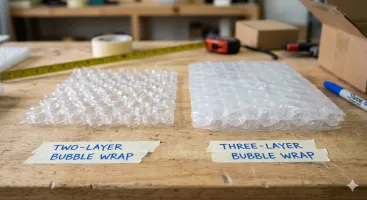
Comparison Between 2-Layer and 3-Layer Bubble Film
2-layer bubble film consists of one flat PE layer and one bubble layer, making it lightweight, flexible, and cost-effective for everyday wrapping. 3-layer film adds a second flat layer, sandwiching the bubbles. This provides superior puncture resistance, enhanced cushioning, and longer air retention for heavy-duty protection.
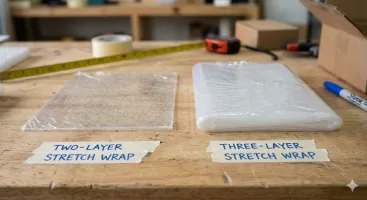
Comparison Between 2-Layer and 3-Layer Stretch Film
Discover the game-changing evolution in pallet wrapping technology. Our in-depth technical comparison reveals how advanced 3-layer "ABC" co-extrusion delivers 30–50% stronger puncture resistance and 300–400% stretch capability, while reducing raw material costs by 15–20% compared to conventional 2-layer films. This breakthrough...
Power Requirements of Bubble Film Making Machine
The total installed power of an air bubble film machine is a critical factor in production planning and operational cost control. It typically ranges from 30kW to over 300kW, depending on the machine's configuration, such as the number of layers (2–7) and film width. This power consumption encompasses the combined needs of the extruder motors, heating zones, forming units, and auxiliary systems like cooling and winding. A well-calibrated power setup ensures...
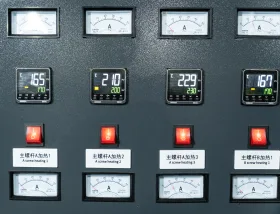
Power Supply Instructions for Stretch Film Machines
Unlock peak performance in your stretch film production with our specialized 380V/3-phase/4-wire/50Hz power solutions. Designed specifically for multi-layer winding machines...
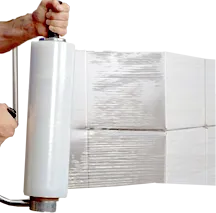
Why Wider Products Require Heavier Stretch Film Machines
In stretch film extrusion lines, the circulating water cooling system is far from an auxiliary component—it is the pivotal element determining film performance and production stability. Through precise temperature control and efficient heat exchange, it directly addresses three core challenges: shear heat accumulation from high-speed extrusion, bridging risks in the feeding zone, and crystallization control...