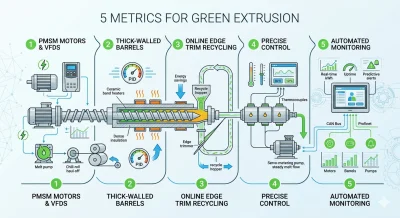
5 Energy-Saving Metrics to Check Before Buying a Green Stretch Film Extrusion Machine
2026-08-14
Energy efficiency has become one of the most important factors when packaging manufacturers evaluate a new stretch film production line. As electricity costs continue to influence manufacturing expenses, companies are no longer focusing only on machine output and initial investment. The long-term operating cost, material utilization rate, production stability, and environmental performance of the equipment have become equally important purchasing considerations.
A modern stretch film extrusion machine is designed not only to produce high-quality stretch film but also to optimize energy consumption throughout the entire production process. Compared with older extrusion lines, advanced equipment integrates efficient drive systems, precise temperature control, intelligent automation, and material recycling technologies to help manufacturers improve production efficiency while reducing unnecessary energy waste.
Why Energy Efficiency Matters in Stretch Film Production
Stretch film is a critical packaging material widely used in logistics, warehousing, transportation, agriculture, and industrial packaging applications. Its excellent stretchability, load retention, and protective performance make it an essential solution for pallet wrapping and product protection.
However, producing stretch film requires multiple energy-intensive processes, including polymer melting, extrusion, cooling, film stretching, and winding. The extruder drive system and heating zones are typically among the main energy-consuming sections of a cast film production line.
For manufacturers operating continuously, even small improvements in energy efficiency can have a meaningful impact on production costs. A green stretch film extrusion machine focuses on optimizing every stage of production, ensuring that electrical energy is converted more effectively into mechanical movement, thermal energy, and stable film output.
When selecting new equipment, buyers should evaluate not only the machine capacity and production speed but also several key energy-saving indicators that determine the machine’s overall efficiency and long-term value.
High-Efficiency Motor and Variable Frequency Drive System
The drive system is one of the most important components affecting the energy consumption of a stretch film extrusion machine. Traditional motor systems may operate inefficiently when production speed changes or when the machine runs under partial load conditions.
Modern extrusion lines use high-efficiency motors combined with variable frequency drive (VFD) technology to adjust motor speed and torque according to actual production requirements. Permanent magnet synchronous motors (PMSM) are increasingly applied in industrial equipment because they provide higher efficiency, stable torque output, and reduced electrical losses compared with conventional motor solutions.
With closed-loop VFD control, the motor can respond quickly to changes in extrusion pressure, screw speed, and production output. This helps maintain stable material plasticization and consistent melt delivery while avoiding unnecessary energy consumption caused by excessive motor operation.
For multi-layer stretch film production, such as 3-layer or 5-layer configurations, stable drive control is especially important because different extruders must work together accurately to maintain layer distribution and film performance. A properly designed motor and control system improves production consistency while supporting more efficient energy management.
Thick-Wall Barrel Design and Intelligent PID Temperature Control
The heating system is another major area where energy efficiency can be improved. During extrusion, polymer materials such as LLDPE and mLLDPE must be heated to a controlled melting temperature before being processed through the die system. Poor thermal management can result in heat loss, unstable temperature fluctuations, and unnecessary energy consumption.
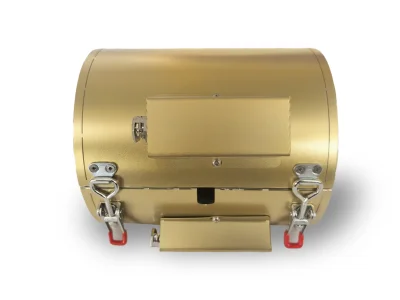
A stretch film extrusion machine with an optimized thick-wall barrel design provides better thermal stability because the increased material thickness helps reduce rapid temperature changes during operation. Combined with insulation structures and efficient heating components, the system can maintain heat inside the extrusion zone more effectively.
Advanced PID temperature control further improves energy utilization by continuously monitoring temperature changes through multiple sensors and adjusting heating output automatically. Instead of repeatedly overheating and cooling the barrel, the control system maintains a more stable temperature profile according to actual process requirements.
Stable temperature control also contributes to better film quality. It helps reduce problems such as uneven thickness, poor melt uniformity, and material degradation caused by excessive heating.
Online Edge Trim Recycling System for Higher Material Utilization
Material efficiency is closely connected with energy efficiency. Every kilogram of wasted resin represents not only material loss but also the energy already consumed during melting, extrusion, and cooling.
During cast stretch film production, edge trimming is often required to achieve accurate film width and consistent quality. Traditional production methods may collect these edge trims separately for later processing, which adds additional handling steps and energy consumption.
An online edge trim recycling system provides a more efficient solution by returning suitable recycled edge material back into the production process. This closed-loop approach reduces raw material waste and improves overall material utilization.
For manufacturers producing large volumes of stretch film, improving recycling efficiency can help reduce production costs while supporting sustainable manufacturing goals. Many modern extrusion lines incorporate recycling solutions as part of a broader approach to reducing waste and improving resource efficiency.
Precise Melt Temperature and Extrusion Control Technology
Consistent extrusion performance depends heavily on accurate control of melt temperature, pressure, and material flow. Unstable processing conditions can cause quality fluctuations and may require additional energy to compensate for production variations.
Advanced stretch film extrusion machines use multiple temperature monitoring zones, precision sensors, and optimized extrusion control systems to maintain stable melt conditions. These technologies allow operators to achieve reliable film output without excessive temperature settings.
A well-designed extrusion system can improve plasticization efficiency and reduce unnecessary heating demand. Stable melt pressure also helps downstream components, including chill rollers and winding systems, operate more smoothly.
For manufacturers producing high-performance stretch films, precise process control is particularly valuable because it supports thinner film production with reliable mechanical properties. Better control over thickness and layer structure helps reduce material consumption while maintaining packaging performance.
PLC and HMI Intelligent Monitoring System
Digital control technology has become an essential feature of modern energy-efficient extrusion equipment. A centralized PLC system combined with an intuitive HMI touchscreen allows operators to monitor and adjust key production parameters in real time.
The control system can collect information from different sections of the production line, including temperature zones, motor operation status, extrusion speed, and production parameters. This data helps operators identify abnormal conditions and optimize machine performance.
For example, changes in heating cycles, cooling performance, or motor load can indicate potential efficiency issues. Early detection allows maintenance teams to respond before these problems affect production efficiency or increase energy consumption.
Intelligent automation also improves operational consistency by reducing dependence on manual adjustments. For factories running continuous production, stable automation helps maintain consistent product quality and improves overall equipment utilization.
Choosing a Green Stretch Film Extrusion Machine for Long-Term Value
Energy efficiency should be considered a long-term investment when purchasing a stretch film production line. Instead of focusing only on the initial equipment price, manufacturers should evaluate the long-term value created by stable operation, lower energy consumption, reduced material waste, and consistent film quality.
Our stretch film extrusion machine is developed with energy-saving extrusion technology, integrating high-efficiency drive systems, intelligent PID temperature control, precision melt management, and automated production monitoring. The optimized machine structure helps improve energy utilization during extrusion, maintain stable film thickness, and support continuous production with reliable performance.
With advanced control systems and carefully selected components, our stretch film extrusion machine provides excellent operational stability for different production requirements, including multi-layer stretch film manufacturing. The combination of accurate process control, efficient heating management, and material-saving solutions helps customers reduce production waste, improve productivity, and achieve better cost control throughout the machine’s service life.
For manufacturers seeking a reliable solution for green packaging production, our stretch film extrusion machine offers the advantages of efficient operation, consistent film quality, and sustainable production performance. By investing in a high-performance extrusion system, customers can strengthen their market competitiveness while meeting the increasing demand for energy-efficient packaging solutions.