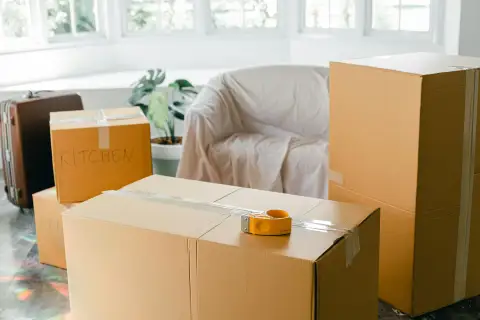
The international transportation of high-value furniture, including solid wood tables, customized cabinets, and premium interior products, requires packaging solutions that can provide reliable protection throughout long-distance logistics. During overseas shipping, furniture products may experience repeated handling, vibration, compression, and environmental changes from warehouses, trucks, and sea containers. Any failure in the protective packaging system can result in surface damage, corner deformation, or customer complaints.
Traditional single-layer bubble films often provide basic cushioning performance but may not be sufficient for heavier or more delicate furniture applications. To meet the increasing requirements of export packaging, manufacturers are developing advanced multi-layer bubble films with improved impact resistance, durability, and load-bearing performance. The production of these high-performance materials relies on modern bubble film manufacturing machine technology, which enables precise extrusion control, stable bubble formation, and customized film structures for different packaging requirements.
Packaging Challenges in International Furniture Transportation
Furniture products face multiple risks throughout the global supply chain. Unlike lightweight consumer goods, large furniture items usually have significant weight and rigid structures, making them more vulnerable to impact forces during loading, unloading, and transportation.
During container transportation, furniture packages are often stacked together, creating continuous pressure on the lower layers. If the cushioning material lacks sufficient compression resistance, air bubbles may gradually lose their protective effect, reducing the overall shock absorption capability. This is especially important for solid wood furniture, where pressure marks and surface scratches can significantly affect product value.
Transportation vibration is another common challenge. Long-distance road transport and ocean shipping create continuous movement that may cause friction between packaging materials and furniture surfaces. For products with polished coatings, painted finishes, or decorative details, maintaining a stable protective layer is essential to prevent surface wear during extended journeys.
In addition, unexpected impacts may occur during forklift operations or warehouse handling. Effective packaging materials need to absorb external forces and distribute impact energy across a wider area instead of allowing concentrated pressure on vulnerable furniture parts.
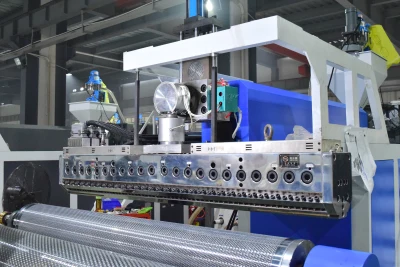
Multi-Layer Co-Extrusion Technology for Stronger Bubble Film Performance
Advanced bubble films used in industrial packaging are increasingly produced through multi-layer co-extrusion technology. Compared with conventional single-layer structures, multi-layer films allow manufacturers to combine different polymer characteristics within one material.
A typical multi-layer bubble film structure may include outer layers designed for puncture resistance and surface durability, while inner layers focus on flexibility and cushioning performance. By combining different materials such as LDPE, LLDPE, and modified polymer blends, manufacturers can optimize the balance between toughness, elasticity, and impact absorption.
The advantage of multi-layer production is that each layer performs a specific function. The external layer helps improve resistance against tearing and abrasion during handling, while the inner structure maintains bubble integrity and provides cushioning support. This layered design is particularly suitable for furniture packaging applications where both surface protection and mechanical strength are required.
A high-quality bubble film manufacturing machine plays an important role in maintaining consistent layer distribution. Precise extrusion temperature control, stable melt flow, and accurate die-head design ensure that each polymer layer is evenly formed during production, helping manufacturers achieve reliable film performance.
Optimized Bubble Structure for Better Cushioning Performance
The design of air bubbles directly affects the protective capability of bubble film. Traditional bubble films usually adopt regular bubble arrangements, which can provide basic cushioning but may have limitations when exposed to continuous heavy pressure.
For industrial packaging applications, manufacturers often use optimized bubble structures with improved bubble density and arrangement. A well-designed bubble pattern allows external forces to be distributed more evenly across the film surface. When pressure is applied during transportation, multiple air chambers work together to absorb and reduce impact energy.
Producing consistent bubble structures requires accurate vacuum forming technology. During manufacturing, the molten polymer sheet is shaped through a forming roller under controlled vacuum conditions. The stability of the vacuum system, cooling efficiency, and roller processing accuracy directly influence bubble size, height, and wall thickness.
A reliable bubble film manufacturing machine integrates precise forming systems and cooling technology to maintain stable bubble quality during continuous production. This helps reduce weak points caused by uneven bubble formation and improves the consistency of finished packaging materials.
Polymer Selection and Film Performance Optimization
Material selection is another key factor affecting bubble film performance. Different furniture packaging applications may require different combinations of flexibility, strength, and cushioning properties.
For heavy furniture transportation, manufacturers often use polyethylene-based materials because of their good impact resistance, moisture resistance, and processing stability. LLDPE can improve film flexibility and puncture resistance, while LDPE provides good softness and forming performance. Recycled materials may also be incorporated into suitable layers when production requirements and application conditions allow.
Modern bubble film production lines can be equipped with automatic material dosing systems, allowing manufacturers to control the ratio of different polymers more accurately. Stable material feeding helps maintain consistent film properties and reduces variations during long production runs.
For export packaging producers, this flexibility allows the same production line to manufacture different types of bubble films, from lightweight protective wraps to thicker industrial cushioning materials.
From Material Engineering to Efficient Bubble Film Production
As global furniture exports continue to grow, packaging manufacturers need production equipment that can deliver stable quality, flexible material options, and efficient operation. High-performance bubble films require precise control throughout the entire manufacturing process, from polymer feeding and extrusion to bubble forming and final winding.
We provide advanced bubble film manufacturing machines that establish a reliable production foundation for manufacturing durable cushioning materials used in furniture transportation and other industrial packaging applications. With reliable extrusion systems, accurate co-extrusion control, efficient cooling technology, and flexible production configurations, the equipment helps manufacturers develop packaging solutions that meet the demands of modern logistics.