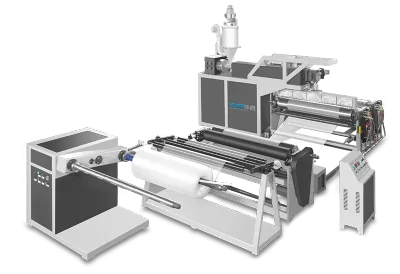
Precautions for Using a 2-Layer Medium-Speed Bubble Film Machine
2026-08-26
A 2-layer medium-speed bubble film machine occupies an important middle ground in protective packaging production. Running at 60 to 80 meters per minute, it delivers enough throughput for steady commercial output while remaining flexible enough for smaller batches and frequent specification changes. That balance of speed and flexibility makes it a popular choice among mid-sized packaging producers, but it also means that operational discipline matters just as much as the equipment itself. Without consistent attention to temperature control, material preparation, mechanical condition, and safety procedure, even a well-built bubble film machine can produce inconsistent film or suffer avoidable downtime.
Common Problems Caused by Improper Operation
Many of the quality and reliability issues seen on bubble film production lines trace back to operational habits rather than equipment design. Temperature control is one of the most frequent culprits. When heating zones are brought up too quickly, without a gradual, staged increase, the extrusion system experiences thermal stress that shortens component life and destabilizes melt flow before production even begins.
Raw material preparation is another common weak point. Polyethylene resin that has not been adequately dried introduces excess moisture into the melt, which shows up downstream as unstable bubble formation and inconsistent film thickness. In two-layer co-extrusion, uneven feeding between the two material streams compounds this further, since any mismatch in melt flow between layers weakens interlayer bonding and produces irregular bubble structure across the web.
Mechanical wear adds a third layer of risk. Nip rollers that fall out of alignment, or that develop surface wear without being caught early, disrupt film transport and can cause slippage or uneven tension. Left unchecked, tension instability in the winding system leads directly to wrinkled, deformed, or poorly formed rolls. And when safety systems such as emergency stops, interlocks, and lockout-tagout procedures are treated as optional rather than mandatory, the risk shifts from a quality problem to a safety one. As bubble film demand grows across e-commerce, appliance, and electronics packaging, producers running medium-speed equipment without strict operational discipline increasingly find themselves dealing with rework, downtime, and inconsistent customer satisfaction.
The Role of Bubble Film in Modern Packaging
Bubble film remains one of the most widely used cushioning materials in the packaging industry, protecting everything from e-commerce parcels to household appliances and precision components during transit. A 2-layer medium-speed bubble film machine is particularly well suited to producers who need to serve a mix of order sizes and film specifications without sacrificing throughput, making it a common choice for small and mid-sized packaging operations as well as converters supplying multiple end markets.
The reliability of that film, however, depends entirely on how well the production process is managed. Bubble structure consistency, wall thickness uniformity, and seal integrity all determine how effectively the finished roll performs on a customer's own packaging line. That reliability begins on the production floor, which is why understanding and following the correct operating precautions is just as important as the machine's underlying engineering.

Essential Precautions for Operating a 2-Layer Medium-Speed Bubble Film Machine
Temperature Control
Every temperature zone in the extrusion system should be calibrated according to the specific material formulation and layer structure being run, with extrusion zones typically maintained within a 160°C to 210°C range depending on the polyethylene grade in use. Bring the system up to temperature gradually rather than all at once, since a controlled, staged preheating process protects the extrusion system from thermal stress that abrupt heating would otherwise cause. Confirm that all heating zones reach uniform temperature before starting production, since even minor temperature imbalances between zones can destabilize melt flow and cause fluctuations in bubble formation and film thickness.
Material Preparation
Dry polyethylene resin to a moisture content below 0.02 percent before processing, since excess moisture is one of the most common causes of unstable bubble formation. In two-layer co-extrusion, keep material feeding consistent between both layers, checking that melt flow rates match closely enough to maintain strong interlayer bonding. Any noticeable variation in flow between the two layers should be corrected before continuing production, as it will otherwise carry through into uneven bubble structure across the finished roll.
Mechanical System Checks
Inspect the bubble forming and air distribution system regularly to confirm that air is being delivered evenly and that bubble geometry remains consistent across the width of the film. Check nip roller alignment, surface condition, and pressure stability on a routine basis, since misalignment or worn surfaces are a common cause of transport slippage. Verify that the winding system maintains stable, consistent tension throughout each roll, since tension fluctuations are what typically cause deformation, wrinkling, or uneven roll build.
Transmission and Lubrication
Periodically inspect gearboxes, drive systems, and other electrical and transmission components to confirm they are operating within normal parameters. Apply lubrication according to the manufacturer's specified maintenance intervals, using only approved industrial lubricants, since incorrect or infrequent lubrication accelerates mechanical wear and reduces overall operating efficiency.
Safety Procedures
Confirm that emergency stop mechanisms and interlock protection systems are fully functional before starting any production run. Follow lockout-tagout procedures without exception during maintenance activities to protect operators from unexpected equipment movement. During continuous operation, monitor bubble stability, film thickness consistency, and surface quality on an ongoing basis so that process deviations can be caught and corrected early, before they affect a full roll or an entire production run.
Preventive Maintenance
Schedule regular inspection of air distribution components and replace pneumatic system elements as needed rather than waiting for failure. Verify sensor calibration at planned intervals to keep temperature, pressure, and tension readings accurate. Keep a record of any abnormal vibration, pressure fluctuation, or noise change in the drive system, and review that record as part of an ongoing equipment condition monitoring program, since early detection of these warning signs is often what separates a minor adjustment from a major repair.
Engineered to Support Consistent, Safe Operation
Following these precautions consistently is what allows a 2-layer medium-speed bubble film machine to deliver stable bubble structure and uniform film quality run after run. Our 2-layer medium-speed bubble film machine is engineered specifically to make that consistency easier to achieve, with precision multi-zone temperature control, coordinated co-extrusion feeding for reliable interlayer bonding, stable nip roller and winding tension systems, and built-in safety features including emergency stop and interlock protection. Combined with a straightforward preventive maintenance structure, our bubble film machine is designed to give mid-sized packaging producers the reliability, safety, and consistent film quality they need to keep production running smoothly .Welcome to learn more about our 2-layer medium-speed bubble film machine, request detailed operating specifications, or discuss the right configuration for your production needs.