Bubble Film Extrusion Machine: Total Cost of Ownership Explained
2026-08-19
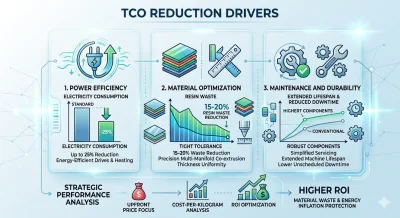
Purchasing a bubble film extrusion machine is not only about comparing the initial equipment price. For packaging manufacturers, the real investment value depends on the total cost of ownership (TCO), including energy consumption, raw material utilization, maintenance requirements, production efficiency, and equipment lifetime. A machine with a lower purchase price may create higher operating expenses over years of production, while an advanced extrusion system can continuously improve profitability through lower production costs and higher product value.
Many packaging companies focus mainly on the initial equipment investment during the purchasing process but overlook long-term operating factors. Rising electricity costs, increasing resin prices, frequent maintenance requirements, and growing demand for high-performance packaging materials are creating new challenges for manufacturers. Understanding TCO from a production perspective helps companies choose the right equipment and build a more competitive manufacturing strategy.
A modern bubble film extrusion machine is designed not only to produce protective packaging materials but also to optimize every stage of production. Through energy-saving technology, precise material control, and advanced automation systems, manufacturers can reduce unnecessary expenses while maintaining stable product quality.
Why Traditional Bubble Film Production Creates Higher Operating Costs
Traditional bubble film production equipment often faces several limitations that directly increase manufacturing expenses. Although older machines may still operate, their outdated technology can significantly reduce efficiency and profitability in today’s competitive packaging market.
Energy consumption is one of the largest ongoing costs in plastic film production. Conventional machines may use inefficient heating systems, outdated motors, and basic control methods that require more electricity to maintain production speed and temperature stability. During long production cycles, even small differences in energy efficiency can create significant cost gaps.
Material waste is another important factor affecting total production costs. Bubble film manufacturers must maintain consistent thickness and bubble formation quality to ensure reliable cushioning performance. Without precise extrusion control, uneven film thickness, unstable melt flow, and excessive trimming waste can increase resin consumption. As raw material prices continue to fluctuate, improving material utilization becomes essential for protecting profit margins.
Maintenance and downtime also have a major impact on overall equipment costs. Machines with complicated structures or non-modular designs often require longer service periods when components need replacement or adjustment. Unexpected production interruptions can result in delayed orders, reduced output, and additional labor costs.
In addition, older single-layer or low-speed equipment may have limited production capabilities. Modern customers increasingly require lightweight, strong, and environmentally responsible packaging solutions. Manufacturers need equipment that can produce advanced bubble film with improved strength, reduced material usage, and customized performance characteristics.
The Growing Importance of Bubble Film in Modern Packaging Applications
Bubble film has become a critical protective packaging material across many industries because of its excellent cushioning performance, lightweight structure, and versatility. It plays an important role in protecting products from impact, vibration, scratches, and transportation damage.
The growth of e-commerce logistics, international shipping, electronics manufacturing, automotive parts, furniture transportation, and industrial packaging has increased demand for higher-quality protective materials. Customers are no longer only looking for basic cushioning products; they increasingly require packaging solutions that combine protection performance with lower material consumption and improved sustainability.
This market transformation has created new opportunities for manufacturers equipped with advanced production technology. The ability to produce thinner yet stronger bubble film allows companies to reduce resin usage while maintaining packaging performance. This approach, often known as film downgauging, helps manufacturers achieve better cost control and respond to environmental requirements.
For packaging producers, competitive advantage comes from controlling production costs while delivering consistent quality. A high-performance bubble film extrusion machine provides the foundation for achieving this balance by improving efficiency, reducing waste, and expanding product capabilities.
How Advanced Bubble Film Extrusion Machine Technology Optimizes TCO
Modern extrusion technology focuses on improving every factor that influences total cost of ownership. From energy management to material efficiency, advanced systems provide measurable benefits throughout the equipment lifecycle.
Different production requirements require different machine configurations. Two-layer bubble film production lines are widely used for standard protective packaging applications and offer an economical solution for manufacturers entering the market or producing conventional bubble film products. Low-speed models focus on stable operation and energy efficiency, while high-speed versions can increase output capacity with optimized drive systems and automation control.
For manufacturers targeting higher-value applications, three-layer to five-layer bubble film extrusion machines provide greater flexibility. Multi-layer co-extrusion technology allows different materials to be combined within one film structure, enabling manufacturers to optimize each layer according to performance requirements. For example, outer layers can provide durability and appearance, while inner layers can improve cushioning performance and reduce overall material consumption.
Advanced multi-layer systems also support film downgauging by improving thickness distribution and layer control. With accurate extrusion technology, manufacturers can reduce unnecessary resin usage while maintaining required strength and protection performance. In practical production environments, optimized multi-layer structures can help reduce material costs by approximately 15–20% depending on product specifications and material selection.
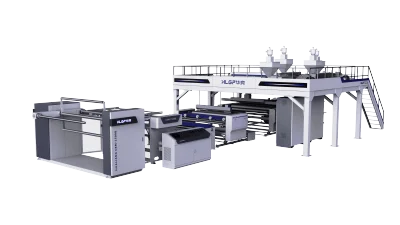
For large-scale production requiring maximum efficiency, seven-layer high-speed bubble film extrusion machines provide advanced capabilities. These systems can integrate automatic thickness control (AGC), precision extrusion components, and intelligent production management to achieve stable output quality and improved energy efficiency per kilogram of finished film.
Three Key Technologies That Reduce Production Costs
Energy efficiency is one of the most important elements of TCO optimization. Modern bubble film extrusion machine systems can utilize high-efficiency motors, improved heating technology, and intelligent temperature control systems to reduce unnecessary power consumption. Depending on machine configuration and production conditions, advanced energy-saving designs can help lower electricity usage by up to 25% compared with traditional equipment.
Material utilization is another major cost-saving area. Precision extrusion components, optimized screw designs, accurate melt distribution systems, and advanced thickness control technologies help maintain uniform film quality. Better thickness consistency reduces overproduction caused by excessive material usage and minimizes production waste.
Equipment durability and maintenance efficiency also influence long-term profitability. A well-designed extrusion system with reliable mechanical components, modular structures, and accessible maintenance points can reduce service time and improve machine availability. Longer equipment lifespan means manufacturers can achieve better returns from their original investment.
Automation technology further improves production management. Modern control systems can monitor important parameters such as temperature, extrusion speed, and production stability in real time. This allows operators to quickly identify abnormal conditions, reduce adjustment time, and maintain consistent product quality.
Finding the Right Bubble Film Extrusion Machine for Your Production Goals
Evaluating a bubble film extrusion machine should always go beyond the initial purchase price. The most valuable equipment is the one that delivers stable production, lower operating costs, reduced material consumption, and reliable performance throughout its service life.
As the packaging industry continues to move toward lightweight materials, sustainable production, and higher-performance protective solutions, investing in advanced extrusion technology is becoming increasingly important. The right bubble film extrusion machine can improve production efficiency, control operating costs, and provide greater flexibility for future product development.
Our bubble film extrusion machines include two-layer, three-layer, five-layer, and seven-layer solutions designed for different production requirements. With energy-efficient drives, precise extrusion control, and reliable automation, our machines help reduce energy consumption and material waste while maintaining consistent film quality.