Advantages of Infrared Heating Systems Over Conventional Heating Coils
2026-07-28
Heating performance is a key factor that influences the efficiency, stability, and product quality of plastic film production. During extrusion, polymer materials must be heated, melted, mixed, and transported under carefully controlled temperature conditions. Any temperature fluctuation inside the extrusion system can affect melt viscosity, material flow behavior, film thickness consistency, and final product performance.
For modern packaging manufacturers, selecting an appropriate heating technology is an important consideration when evaluating a stretch film manufacturing machine or bubble film extrusion machine. Traditional heating coils have been widely used in plastic processing for many years due to their simple structure and reliability. However, as production speeds increase and manufacturers demand higher energy efficiency and more precise process control, infrared heating systems are becoming an advanced solution for improving thermal management in extrusion equipment.
Limitations of Traditional Heating Coils in Plastic Film Extrusion
Traditional extrusion machines generally use resistance heating coils installed around the outside surface of the barrel. These heating elements generate heat through electrical resistance, and the thermal energy is transferred through the barrel wall before reaching the polymer material inside the screw channel.
Although this heating method remains common in many plastic processing applications, it has certain limitations in high-performance film production. Since heat transfer depends on conduction through multiple layers, temperature response can be relatively slow. During machine startup, production speed adjustments, or material changes, operators may require additional time to achieve stable processing temperatures.
Another challenge is heat loss during operation. A portion of the generated thermal energy escapes into the surrounding environment instead of being effectively transferred into the polymer processing area. This can increase energy consumption and raise the temperature around the production line, which may affect the working environment of operators.
For a high-quality stretch film extrusion machine, maintaining stable barrel temperatures is essential. Conventional heating coils may experience thermal inertia because the heating element and barrel retain heat after power adjustments. This delayed response can make precise temperature control more difficult, especially when processing conditions change frequently.
In applications requiring consistent film thickness, excellent transparency, and stable mechanical properties, improved thermal control becomes an important factor in maintaining production reliability.
Working Principle and Advantages of Infrared Heating Systems
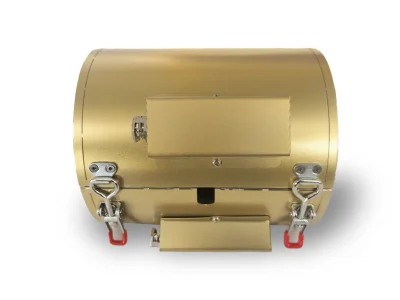
Infrared heating systems use radiant energy transfer to provide heat directly to the target surface. Unlike traditional heating coils that mainly rely on conduction, infrared technology transfers thermal energy through electromagnetic radiation, reducing dependence on intermediate heat transfer paths.
This direct heating method allows the extrusion barrel to reach the required temperature more efficiently while improving temperature response. When production parameters change, infrared heating systems can adjust thermal output more quickly, helping the extrusion process maintain stable conditions.
One of the main advantages of infrared heating technology is improved heat utilization. Because energy is concentrated on the required heating area, less heat is wasted into the surrounding environment. This can help reduce unnecessary energy consumption and improve the overall efficiency of a plastic film production line.
Infrared heating systems can also support more uniform temperature distribution along the extrusion barrel. Stable thermal conditions help polymer materials achieve consistent melting and mixing performance, which is particularly important when processing materials such as LLDPE, LDPE, and modified polymer compounds.
For manufacturers operating a stretch film manufacturing machine, improved temperature stability can contribute to more consistent melt quality, better process adjustment capability, and reduced production variation.
Improving Stretch Film Manufacturing Machine Performance
A stretch film manufacturing machine requires precise temperature control throughout the extrusion process. From polymer melting in the barrel to melt delivery through the T-die and final casting process, every stage depends on stable thermal conditions.
When infrared heating technology is applied to a stretch film extrusion machine, the extrusion system can achieve more responsive temperature regulation across different heating zones. This helps maintain the correct processing temperature for LLDPE materials, ensuring smooth melting and stable melt flow.
Consistent heating performance is especially important for producing stretch films with high stretchability, puncture resistance, and optical clarity. Uneven temperature distribution may cause incomplete melting, unstable extrusion pressure, or variations in film thickness. By improving thermal uniformity, infrared heating systems help manufacturers maintain more reliable production conditions.
For high-speed stretch film production, faster thermal response also provides operational advantages. When operators adjust screw speed, change production specifications, or introduce different raw materials, the heating system can respond more effectively and shorten stabilization periods.
This improved process control helps reduce material waste caused by temperature fluctuations and supports more efficient long-term operation.
Enhancing Bubble Film Extrusion Machine Production Stability
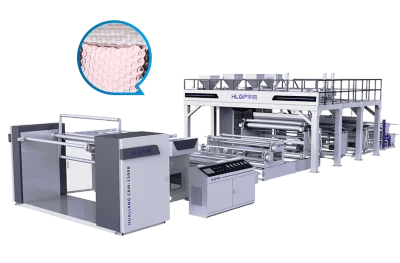
Temperature control is equally important in bubble film manufacturing. A bubble film extrusion machine requires precise heating management to ensure that LDPE materials reach the correct viscosity before entering the forming process.
During bubble film production, the polymer melt must maintain a suitable balance between strength and flexibility. Excessive temperature may reduce melt strength and affect bubble stability, while insufficient heating can result in poor material flow and uneven bubble formation.
Infrared heating systems provide faster thermal adjustment and more stable temperature management throughout the extrusion process. This helps maintain consistent melt conditions before the material enters the forming and cooling stages.
For manufacturers producing protective packaging materials, stable bubble formation is essential. Uniform bubble structures improve cushioning performance, air retention, and overall film strength. By supporting better thermal control, infrared heating technology helps a bubble film extrusion machine produce more consistent packaging films for applications such as logistics, electronic product protection, and industrial packaging.
Energy Efficiency and Long-Term Production Benefits
Energy consumption is an important factor in modern plastic film manufacturing. Heating systems represent a significant portion of the total energy demand of an extrusion line, making thermal optimization an effective way to improve operational efficiency.
Compared with conventional heating coils, infrared heating systems can reduce heat loss by transferring energy more directly to the required processing area. The actual energy-saving performance depends on machine structure, insulation design, operating conditions, and production parameters, but improved heating efficiency can provide meaningful benefits for manufacturers seeking lower operating costs.
In addition to energy efficiency, better temperature control can improve production stability. Reduced temperature fluctuations help minimize manual adjustments, maintain consistent product quality, and improve overall equipment reliability.
For companies investing in new extrusion equipment, selecting a heating system with accurate thermal response is an important step toward building a more efficient and flexible production process.
Advanced Thermal Solutions for Modern Film Extrusion Equipment
As plastic film manufacturers continue to pursue higher productivity, improved quality, and better energy management, advanced heating technologies are becoming increasingly important in extrusion equipment design.
Our stretch film manufacturing machines and bubble film extrusion machines are developed with optimized heating structures and precise temperature control systems to support stable polymer processing. By combining efficient thermal management with reliable extrusion technology, these machines help manufacturers achieve consistent film quality, improved production efficiency, and better resource utilization.
For businesses looking to upgrade their plastic film production capabilities, choosing an extrusion line equipped with advanced heating technology provides a practical solution for improving process stability, reducing unnecessary energy consumption, and meeting the requirements of modern packaging applications.