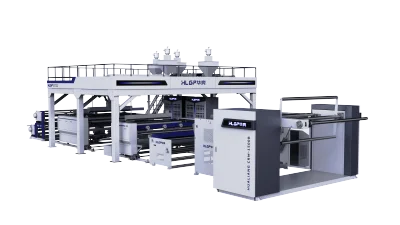
Operating Precautions for 3–5 Layer High-Speed Bubble Film Machines in Industrial Production
2026-08-24
Running a multi-layer bubble film extrusion machine at high speed is a different challenge than running a single-layer line. Several extruders, several material streams, and several temperature zones all have to work in sync, and even a small imbalance in one layer can show up as weak bonding or an unstable bubble structure downstream. Understanding where these risks come from is the first step toward avoiding them.
The Real Challenges Behind Multi-Layer Bubble Film Production
Coordinating multiple extruders is harder than it looks. Each layer in a 3–5 layer structure plays a different role, so the melt behavior of each stream needs to stay consistent even as line speed increases. When one extruder drifts out of its ideal processing window, the imbalance often shows up as poor interlayer adhesion or irregular bubble formation rather than an obvious fault, which makes it easy to miss until product quality already suffers.
Material preparation adds another layer of difficulty. A typical 3–5 layer structure might use LDPE for its sealing performance, LLDPE for mechanical strength, and recycled material in the core layer to manage cost. That mix only works if moisture is tightly controlled, particularly with recycled input. Excess moisture introduces micro-defects that weaken the film and destabilize bubble geometry, so feeding systems need reliable drying capability built in rather than treated as an afterthought.
Temperature management is where a lot of production problems actually originate. It is tempting to run every extruder and heating zone at the same settings for the sake of simplicity, but different materials have different melt flow indexes and different thermal sensitivities. Recycled materials often need slightly higher processing temperatures, while specialty layers may need a much narrower thermal window. Without segmented heating and independently adjustable die components, holding all of these requirements at once becomes almost impossible, especially as speed increases and the margin for error shrinks.
On the mechanical side, gear pumps, melt pressure sensors, and filtration systems such as screen changers all need continuous attention. Melt pressure and flow stability can fluctuate for reasons that are not always visible from the outside, and if those fluctuations go unnoticed they eventually surface as thickness variation or an uneven bubble structure. High-speed operation also accelerates component wear, so inspection intervals built around actual operating conditions, rather than a fixed generic schedule, make a real difference in avoiding unplanned downtime.
Layer structure control deserves its own attention as well. One of the real advantages of a multi-layer line is the ability to adjust the thickness ratio between layers to match different application requirements, whether that means a thicker outer layer for puncture resistance or a heavier core for cost efficiency. Holding that ratio steady, though, requires continuous monitoring of extrusion output and film thickness rather than periodic spot checks, because small drifts in one layer's output can quietly change the overall balance of the film without triggering an obvious alarm.
Key Precautions When Operating a Multi-Layer Bubble Film Machine
A few operating habits make the difference between a stable 3–5 layer run and a batch of inconsistent film. Ramping up too quickly after startup is one of the most common mistakes: bringing all extruders to full speed before every temperature zone has actually stabilized tends to produce a period of uneven bubble formation that only becomes visible once the film is already rolling. Allowing each zone to reach and hold its target temperature before increasing line speed is a small precaution that avoids a large amount of scrap.
Material changeovers deserve the same discipline. Switching to a new batch of recycled material, or adjusting the ratio of virgin to recycled resin in the core layer, changes the melt flow characteristics of that stream, and running the new material at the previous settings is a common source of interlayer adhesion problems. Checking moisture content before feeding, rather than assuming previous drying settings still apply, is a simple step that prevents defects that are otherwise difficult to trace back to their source.
Melt pressure and flow readings are worth watching as trends rather than single data points. A sensor reading that is technically within range but drifting steadily in one direction is often an earlier warning sign than a reading that suddenly spikes, and catching that drift early gives operators time to adjust before it affects bubble geometry or film thickness. The same logic applies to the air distribution system: verifying that air flow calibration is still accurate after any nozzle cleaning, maintenance, or die adjustment prevents small imbalances from turning into visible variation in bubble size across the width of the film.
Maintenance timing matters just as much as maintenance itself. Waiting for a visible fault before inspecting gear pumps, screen changers, or transmission components tends to cost more downtime than a schedule based on actual running hours and load conditions. Vibration and temperature monitoring on key mechanical components can flag early signs of wear well before those components affect film quality, which is particularly valuable in high-speed operation where the window between an early warning and an unplanned stop is much shorter than it would be on a slower line.
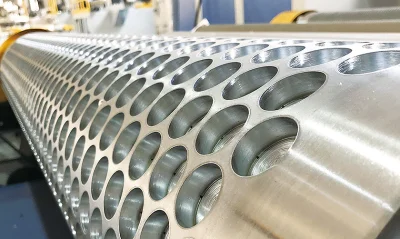
Why Multi-Layer Bubble Film Still Matters in Modern Packaging
Despite all this complexity, bubble film remains one of the most practical protective packaging materials available. It is lightweight, absorbs impact well, and offers a strong balance between protection and cost, which is why it shows up everywhere from e-commerce parcels to appliance and precision equipment packaging. Multi-layer construction is what allows manufacturers to push that balance further, combining sealing performance, mechanical strength, and cost-effective core material in a single film rather than compromising on one property to get another.
That is exactly why the equipment producing this film matters so much. A film structure can be engineered on paper, but it only becomes a reliable product if the machine can hold every layer, every temperature zone, and every pressure reading within tolerance, run after run, at production speed.
How We Build Bubble Film Extrusion Machines That Hold Up at Speed
This is the problem we design around. Rather than running every extruder off a single shared temperature profile, our bubble film extrusion machines use independently adjustable heating zones and die components for each layer, so LDPE, LLDPE, and recycled or specialty materials can each be processed within their own optimal range. That kind of layer-by-layer control is what keeps melt behavior consistent across the width of the film and supports strong, stable interlayer bonding even as output speed increases.
We put the same attention into the mechanical systems that keep a multi-layer line stable over long production runs. Gear pumps, melt pressure sensors, and filtration components are paired with continuous monitoring, so pressure or flow deviations can be caught and corrected before they turn into visible defects. The bubble forming and air distribution system is calibrated to maintain uniform air flow, which is what ultimately determines whether bubble geometry and film thickness stay consistent from the first meter of film to the last.
We also design our feeding and material handling systems with drying capability built in, which matters most when recycled material is part of the structure. Keeping moisture under control at the input stage prevents the kind of micro-defects that are difficult to trace once they appear in the finished film. On the maintenance side, our machines are built with accessible transmission systems, heating elements, and pressure control components, making it practical to apply condition-based inspection rather than reacting only after a breakdown occurs.
Thickness consistency is built into the same control philosophy. Our process control systems track extrusion output and film thickness across all layers in real time, so operators can see how a given layer's thickness ratio is trending and make small corrections before the film drifts outside its defined tolerance. This is particularly useful during material changeovers and startup, when conditions are least stable and the risk of producing off-spec film is highest. Instead of relying on operators to catch every ripple effect manually, the machine surfaces the relevant data so that coordinated adjustments across extrusion units happen quickly and with less guesswork.
None of these elements work in isolation. A well-controlled temperature zone does not help much if melt pressure is drifting, and a stable mechanical system cannot compensate for poorly dried input material. That is why we approach machine design as a coordinated system rather than a collection of separate components, because that is ultimately how multi-layer bubble film production behaves on the factory floor.
If your production line is dealing with inconsistent bubble structure, uneven layer bonding, or more downtime than a high-speed schedule can absorb, it is worth looking closely at how your current equipment handles these interactions between material, temperature, and mechanical stability. We build our bubble film extrusion machines specifically to manage that coordination, so manufacturers running 3–5 layer structures can maintain consistent film quality without slowing down production. If you are evaluating equipment for a new line or looking to improve the stability of an existing one, we are glad to walk through your material requirements and production targets and help you find the right configuration.