
Technical Term
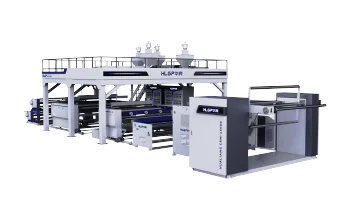
Features of a High-Speed Bubble Film Machine
Engineered for large-scale industrial packaging, our high-speed bubble film machine delivers unmatched linear speeds over 40m/min. With full automation including automatic winding and precision tension control, its heavy-duty design ensures 24/7 reliability...
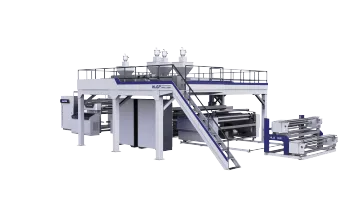
Features of a Medium-Speed Bubble Film Machine
This machine balances productivity and cost-efficiency, offering higher output than basic models with reliable stability. It features advanced automation, such as automatic winding and precise temperature control, for steady medium-scale production. It’s the perfect versatile solution for growing businesses seeking high-quality bubble wrap with manageable investment.
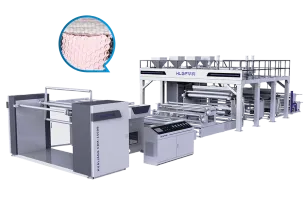
Features of a Low-Speed Bubble Film Machine
Discover how our low-speed bubble film machines provide cost-effective, reliable production for small-scale operations and startups. Featuring compact design...
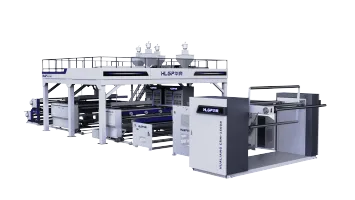
Difference Between High-Speed and Low-Speed Bubble Film Machines
High-speed bubble film machines deliver maximum output with full automation for large-scale production. Low-speed models offer cost-effective, stable operation for smaller batches or startups. This guide explains the key differences to help you select the right machine based on your production volume and budget...
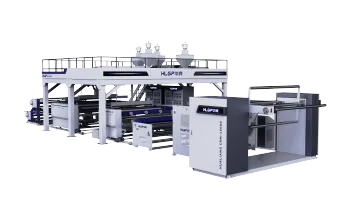
One-Step Forming Process for Bubble Film Machine
Our exclusive One-Step Forming Process seamlessly integrates extrusion, vacuum forming, and laminating into a single automated line, achieving ultra-high-speed production exceeding 1000 meters/hour...
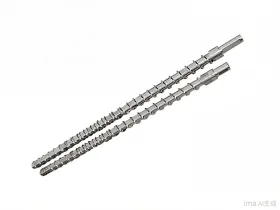
Difference Between Twin Screw and Triple Screw in Stretch Film Machine
In stretch film manufacturing, the extruder's screw configuration is the heart of quality and efficiency. This analysis reveals why triple-screw systems deliver over 50% higher output and superior film clarity compared to conventional twin-screw designs...
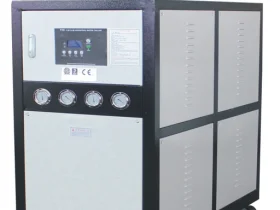
Function of Cooling Water System in Stretch Film Production
In stretch film extrusion lines, the circulating water cooling system is far from an auxiliary component—it is the pivotal element determining film performance and production stability. Through precise temperature control and efficient heat exchange, it directly addresses three core challenges: shear heat accumulation from high-speed extrusion, bridging risks in the feeding zone, and crystallization control...
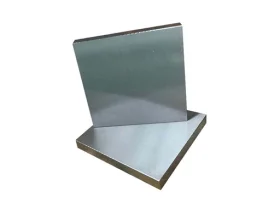
Benefits of Using 38CrMoAl Steel in Wrapping Film Equipment
In the demanding world of stretch film production, equipment longevity and precision are paramount. The choice of material for core components like the screw and barrel directly impacts output quality, maintenance costs, and overall profitability. This article delves into the technical superiority of 38CrMoAl nitriding steel, explaining why it remains the undisputed industry standard for manufacturers seeking reliability and excellence. We will explore its exceptional wear resistance, thermal stability, and structural integrity, which collectively ensure your production line runs smoother, for longer...
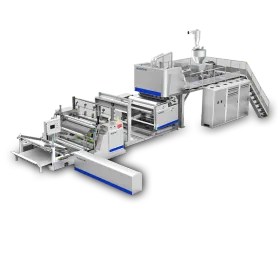
Differences Between Full-Automatic and Semi-Automatic Stretch Film Machines
In the fast-paced world of pallet packaging, the choice between fully automatic and semi-automatic stretch film machines can define your operational efficiency. Understanding the technological distinctions is crucial for making an informed investment that matches your volume needs, labor strategy, and long-term growth plans. This breakdown...
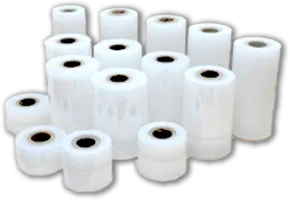
How Stretch Film Machines Produce Different Width Products
Discover how stretch film machines from 1.0m to 2.0m widths transform production efficiency and product flexibility. Learn why output scales non-linearly, how power requirements evolve, and what...