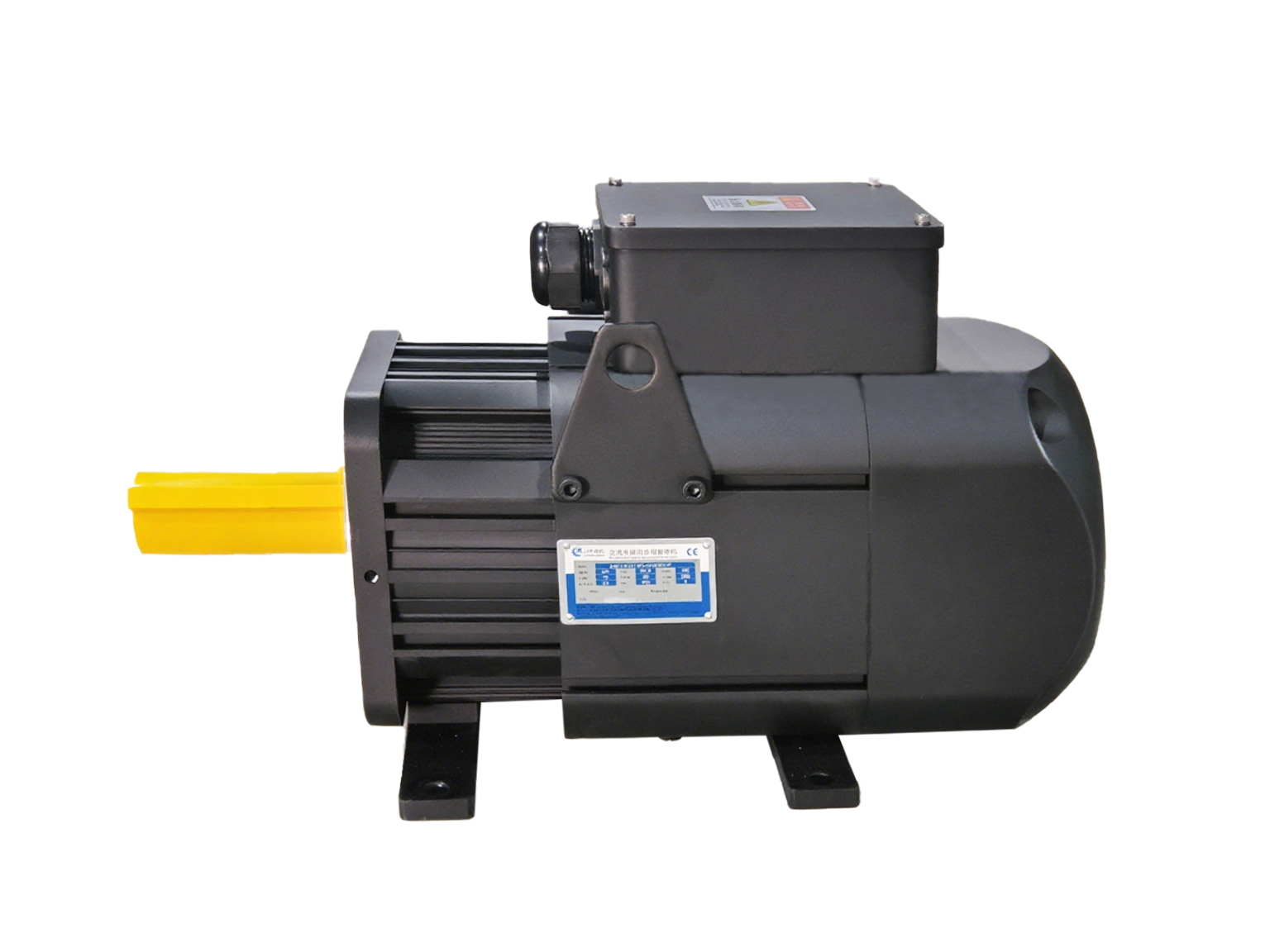
The Permanent Magnet Synchronous Motor (PMSM) operates on the fundamental principle of electromagnetic induction and magnetic attraction. At its core, the motor's functionality begins in the stator, where three-phase alternating current is supplied to the stationary windings. This electrical input generates a magnetic field that does not simply stay in one place but rotates around the interior of the motor at a speed determined by the supply frequency.
Inside this rotating environment sits the rotor, which is uniquely embedded with high-strength permanent magnets. Unlike traditional induction motors that must "induce" a magnetic field in the rotor using additional electricity, the PMSM's rotor possesses its own constant magnetic poles. According to the laws of magnetism, where opposite poles attract, the permanent magnets of the rotor naturally lock onto the rotating magnetic field of the stator.
As the stator's field begins to spin, it exerts a powerful magnetic pull on the rotor's magnets, dragging the rotor along with it. Because the rotor is physically "synched" to the field through this magnetic locking, it rotates at the exact same angular velocity as the stator's magnetic field. This absence of "slip" or lag ensures that the mechanical output matches the electrical input with extreme precision. By eliminating the need for rotor magnetization current, the motor minimizes internal heat and energy loss, resulting in the high efficiency and torque density that define modern synchronous propulsion.