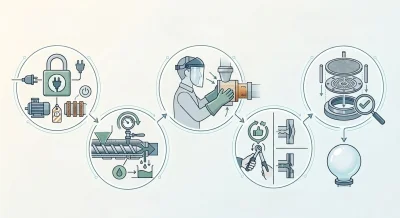
The Ultimate Guide to Safely Replacing Bubble Film Extrusion Machines Screens
2026-06-30
Maximizing uptime and ensuring operator safety are the two primary pillars of profitable protective packaging manufacturing. In the highly competitive global plastics market, the bubble film extrusion machine stands as the indispensable backbone of high-capacity production lines. However, one critical maintenance bottleneck has historically drained factory profits, caused unnecessary material waste, and compromised workplace safety: the screen changing process.
Filtering out microscopic contaminants and un-melted gels from the polymer melt stream is absolutely essential to produce high-clarity, puncture-resistant bubble wrap. The traditional filtration methods have long forced factory managers into a bitter compromise between operational throughput and worker physical hazard. However, modern mechanical engineering transforms this hazardous chore into a seamless, high-yield automated process that protects both your staff and your bottom line.
The Hidden Costs and Physical Hazards of Legacy Screen Changing Systems
In conventional packaging manufacturing configurations, filtering impurities from recycled or virgin resins is a notorious operational bottleneck. Traditional manual screen changers require machinery operators to work in close physical proximity to molten Low-Density Polyethylene (LDPE) or Linear Low-Density Polyethylene (LLDPE). This plastic melt typically reaches searing temperatures exceeding 200°C while subjected to immense hydraulic pressure within the barrel. The physical risks during a manual swap are severe. Operators face frequent, debilitating burn hazards, and the sudden release of trapped gases can cause unpredictable, dangerous molten polymer splattering.
Beyond the clear threat to human safety, legacy screen changing systems inflict massive financial damage through forced operational downtime. Every single time a filter screen clogs, the entire bubble film extrusion machine line must be brought to a complete standstill. This interruption triggers a costly, cascading domino effect. The stagnant melt inside the extruder barrel begins to degrade thermally, requiring extensive and expensive purging upon restart. This results in hundreds of kilograms of wasted polymer scrap, high electrical energy spikes during machine reheating, and severe disruptions to tightly scheduled B2B delivery timelines.
Furthermore, manual screen swaps introduce critical quality control variables that damage customer satisfaction. When the extrusion flow is completely interrupted, the internal system pressure drops instantly to zero. As a direct result, when the line restarts, the sudden pressure spike causes severe gauge variation across the film web. This leads to uneven film thickness, structural bubble collapse, and weak puncture resistance in the final roll. For modern manufacturing plants aiming for lean, high-efficiency production, relying on these outdated manual components is no longer an economically viable option.
High Precision Engineering: The Anatomy of Our Advanced Screen Changer
To permanently eliminate these industrial pain points, our latest generation of continuous melt filtration components introduces a paradigm shift in extrusion mechanics. Built with ultra-high-grade alloy steel and subjected to rigorous multi-stage vacuum heat treatments, these components are precision-engineered to withstand continuous operating pressures of up to 50 MPa without a fraction of structural deformation. This ensures absolute mechanical reliability under the most demanding industrial environments.
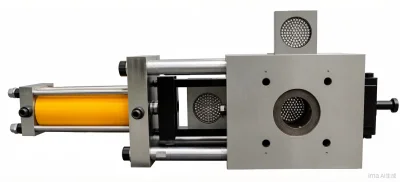
The core technological breakthrough lies in our dual-position, dual-channel hydraulic slide plate design. Instead of interrupting the continuous polymer flow, our system utilizes parallel melt channels that operate independently yet harmoniously. While one screen cavity actively filters the moving polymer melt, the secondary cavity houses a fresh screen that is pre-heated and primed for action.
Safety and material conservation are further guaranteed through our proprietary self-cleaning mechanical sealing technology. As the internal polymer pressure naturally increases, our precision-machined seal plates dynamically tighten against each other. This creates a zero-leakage barrier without the need for high-maintenance external gaskets, ensuring that dangerous, high-temperature polymer leaks are entirely designed out of your workspace.
Additionally, our advanced components feature an integrated automatic venting and pre-filling mechanism. Before the fresh screen enters the active melt stream, a tiny, controlled fraction of molten polymer is diverted to pre-fill the new cavity, efficiently pushing out all trapped air through a micro-venting valve. This localized air evacuation guarantees that when the slide plate shifts, no air bubbles enter the die head, completely preventing film breakage, bubble popping, and downstream aesthetic defects.
Holistic Efficiency: Seamless Integration with the Bubble Film Extrusion Machine
When our advanced filtration components are fully integrated into our high-performance bubble film extrusion machine, individual mechanical advantages translate into sweeping macro-level production gains for your entire factory. The complete extrusion line achieves true continuous operation, maintaining a perfectly stabilized pressure profile even during high-speed, dynamic screen transitions.
Our intelligent system architecture links the screen changer directly to the central PLC touchscreen command station of the bubble film extrusion machine. High-accuracy melt pressure transducers constantly monitor the differential pressure across the active filter mesh. When accumulated contaminants cause the pressure to reach a predefined threshold, the PLC alerts the operator or automatically triggers the hydraulic cylinder to swap the slide plates in a split second. This automated transition completely removes human error and physical risk from the manufacturing equation.
By eliminating the traditional "stop-start" production cycle, our continuous production line unlocks exceptional electrical energy savings. The multiple heating zones of the extruder barrel, the die head, and the air ring maintain a uniform thermal equilibrium. This prevents the massive power surges typically required to reheat a cooled machine after a manual shutdown. This thermal stability directly extends the operational lifespan of your extrusion screws, barrel liners, and ceramic heating bands.
For manufacturers producing specialized multi-layer protective structures, such as 3-layer, 5-layer, or aluminum foil laminated bubble films, this continuous stability is vital. Our co-extrusion setups ensure that all distinct layers maintain perfectly synchronized flow speeds and thickness tolerances. The result is a premium, high-tensile bubble film with flawless clarity and maximum air cushion retention, produced at a fraction of traditional operating costs.
Best Practices for Maximizing Extrusion Line Longevity and Output
Investing in premium hardware is only the first step toward achieving packaging manufacturing excellence. To maximize the return on investment of your high-speed bubble film extrusion machine, your technical production team must implement structured operational habits centered around predictive maintenance and material optimization.
Selecting the correct mesh weave and micron rating is paramount to balancing film clarity with machine throughput. For lines processing high percentages of post-consumer recycled (PCR) plastics or industrial regrind, utilizing a graduated multi-layered screen mesh configuration is highly recommended. Placing a coarser mesh upstream protects the finer downstream filtering screens, preventing premature clogging and extending the operational window of each screen change cycle.
Regular calibration of the hydraulic accumulator and pressure sensors ensures that the split-second plate transitions remain crisp and tightly sealed. Operators must also ensure that the pre-heating zones for the standby screen cavities are set to match the exact temperature of the main extruder barrel to prevent thermal shock to the polymer melt during a changeover.
Ultimately, upgrading your filtration workflow protects your most valuable assets: your workers and your daily profit margins. By transitioning from dangerous, manual methods to automated, non-stop filtration technology, your factory can significantly lower scrap rates, slash utility bills, and achieve a highly predictable, automated manufacturing workflow.