
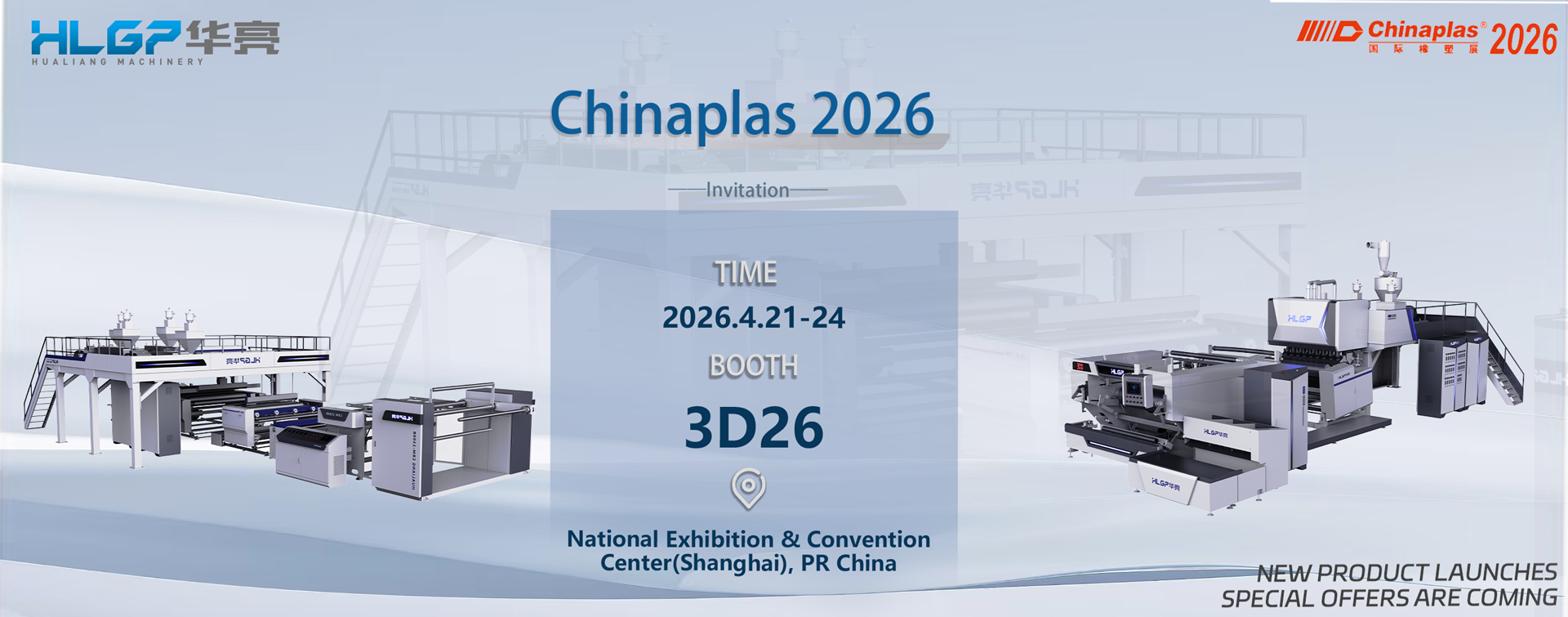
Wide-format stretch film machines require robust construction to ensure consistent film quality and operational stability. The primary engineering challenge is roller deflection. Long rollers guide wide film webs, but under their own weight and the tension of the web, they naturally sag or bend. Deflection creates uneven tension, resulting in wrinkles, variable thickness, and potential production failures. Precision-engineered thick rollers within heavily reinforced rigid frames maintain alignment across the entire width, providing a flat and stable film path.
Vibration damping is another critical consideration. High-speed rotation of wide rollers generates centrifugal forces from microscopic imbalances, causing oscillations that can disrupt film quality and accelerate component wear. Lightweight machines amplify these vibrations. Incorporating substantial mass in the base and frame acts as an effective damping system, absorbing vibrational energy and preventing transmission to the film.
Wide-format production also demands mechanical and thermal resilience. Higher-torque motors are required to drive larger rolls, while extended dies experience thermal expansion and contraction. A monolithic, heavy-duty frame resists torsional stress and maintains precise alignment of the die, rollers, and winding stations, even under full load and extended production runs. This structural stability ensures consistent film properties, including gauge, clarity, and stretch characteristics, from start to finish.
In summary, weight in wide-format stretch film machines is not mere bulk—it is essential for stability. A heavier, rigid design neutralizes roller deflection, minimizes vibration, and maintains alignment under torque and thermal loads, delivering reliable, high-quality film and efficient, continuous production.