Precautions for Using a 3–5 Layer Low-Speed Bubble Film Machine
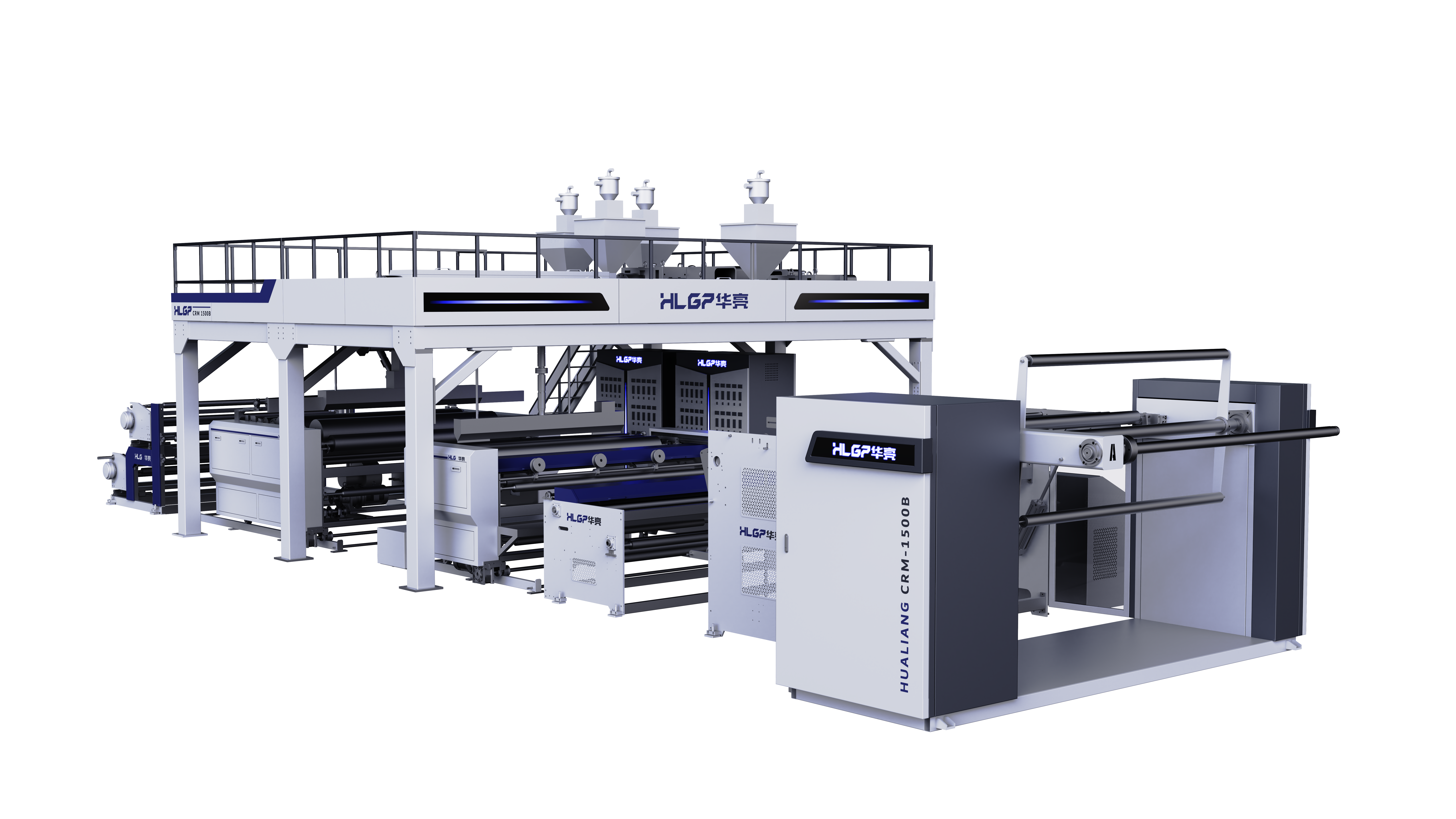
Operating a 3–5 layer low-speed bubble film machine requires meticulous attention to detail to ensure optimal performance and long-term equipment stability. These machines are engineered for producing high-quality protective packaging materials, and their efficiency heavily depends on proper operating conditions and maintenance practices. One of the most critical precautions involves temperature control across each extrusion layer. Inconsistent heating can lead to film thickness variations, poor bubble formation, or unstable bubble structure. Always allow the machine to reach the recommended operating temperatures before starting production, and monitor thermal zones regularly using calibrated sensors.
Material handling is another vital aspect. Ensure that polymer resins or recycled materials fed into the hopper are clean, dry, and free from contaminants. Moisture or impurities can cause defects in the bubble film, such as pinholes, weak points, or uneven bubble structure, compromising its protective performance. Implement a strict material inspection and pretreatment process, including drying units if necessary, to maintain input quality. Additionally, match the material grade with the machine's designed specifications, as using unsuitable resins can increase screw and barrel wear and affect long-term stability.
Regular maintenance is essential for stable production. Schedule routine checks on the bubble forming system and cooling calibration rollers to ensure consistent bubble size and uniform film formation. The nip rollers and winding units should be inspected regularly for tension stability and proper alignment to prevent wrinkles or uneven roll formation. Lubricate moving parts according to the manufacturer's guidelines, avoiding over-lubrication, which may attract dust and affect mechanical performance. Keep a maintenance log to track wear patterns and plan preventive part replacement.
Safety precautions are paramount. Always engage lockout-tagout procedures during cleaning or adjustment to prevent accidental startup. Operators should wear appropriate personal protective equipment, including heat-resistant gloves and safety glasses, especially when handling heated die components or exposed mechanical parts. Ensure proper ventilation in the production area to dissipate heat and any minor processing odors generated during extrusion. Comprehensive operator training on emergency shutdown procedures and machine-specific operational risks is also essential.
Finally, optimize operational workflow by maintaining stable line speed and avoiding abrupt changes that may stress the mechanical system. Monitor bubble film cushioning performance and bubble integrity regularly as key quality indicators. By adhering to these precautions, you can extend machine service life, improve production stability, and achieve consistent output quality. Proper operation directly contributes to reduced downtime, lower material waste, and improved return on investment—critical factors for long-term industrial packaging production efficiency.