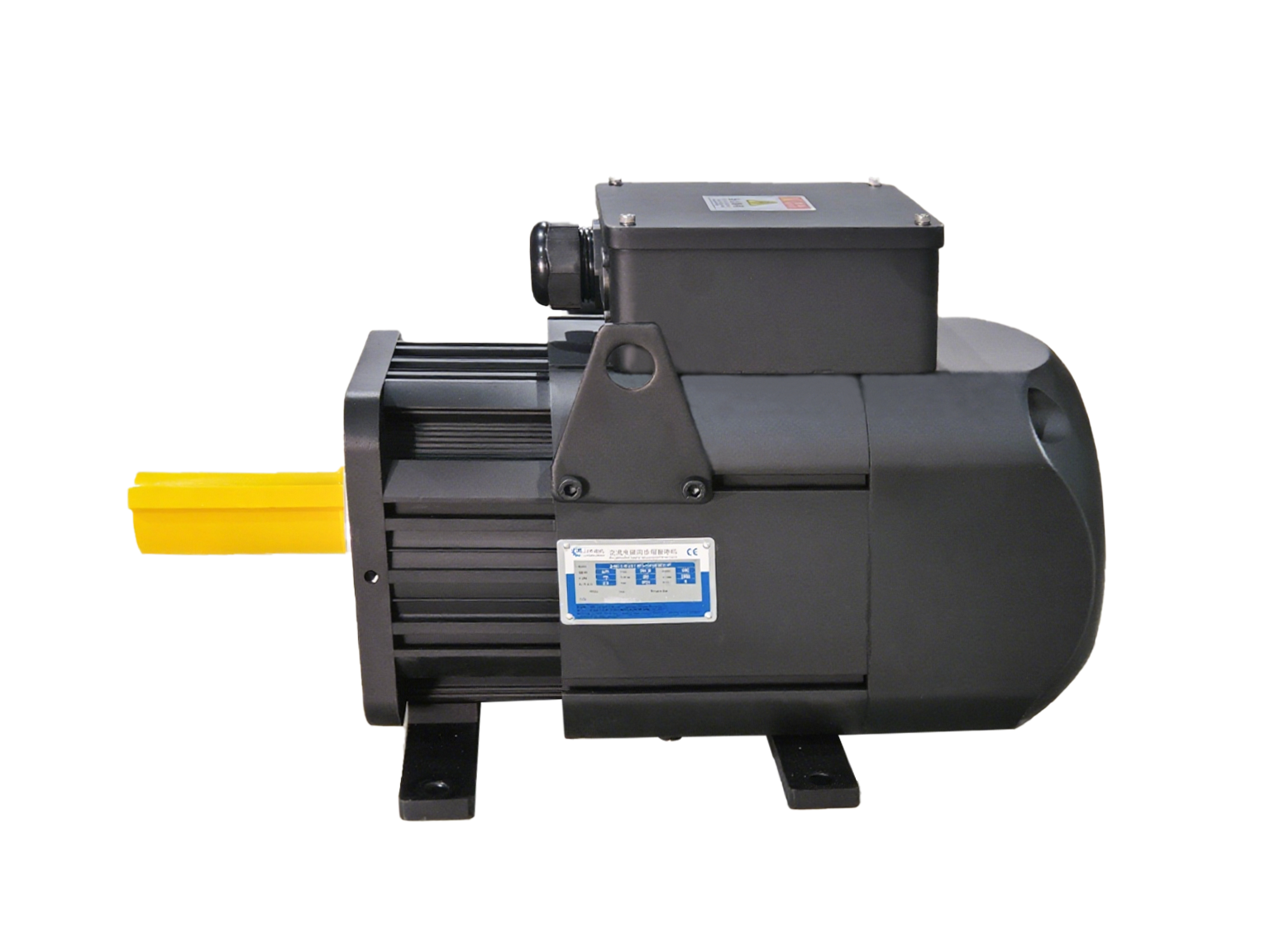

Differences Between Permanent Magnet Synchronous Motors and Asynchronous Motors
Motor selection plays a crucial role in determining the energy efficiency, control precision, and dynamic performance of industrial systems. Permanent Magnet Synchronous Motors (PMSM) and asynchronous motors are two widely used technologies, each offering distinct operational characteristics.
The Permanent Magnet Synchronous Motor (PMSM) is recognized for its high efficiency and precise control capabilities. By utilizing permanent magnets in the rotor structure, it eliminates the need for rotor current excitation, significantly reducing energy losses. As a result, PMSM systems can decrease energy consumption by approximately 20% compared to conventional motor types. In addition, they provide excellent torque control accuracy within ±1%, making them highly suitable for applications requiring stable and precise output. Another key advantage is their rapid dynamic response, enabling instant start-stop performance, which improves overall system responsiveness and process control.
In contrast, asynchronous motors (induction motors) remain widely used due to their robust structure and cost-effectiveness. Typically rated at IE2 efficiency (around 94.2%), they deliver reliable performance in general industrial applications. However, their operating principle relies on electromagnetic induction in the rotor, which introduces higher operational inertia. This results in slower acceleration and deceleration response compared to PMSM systems, as well as reduced precision in torque regulation.
From a technical perspective, PMSM technology offers clear advantages in energy efficiency, control accuracy, and dynamic performance, particularly in high-precision and high-speed applications. Asynchronous motors, while durable and economical, are better suited for applications where ultra-high precision and rapid response are not primary requirements.