Differences Between High-Precision T-DIE and Traditional Ordinary T-DIE
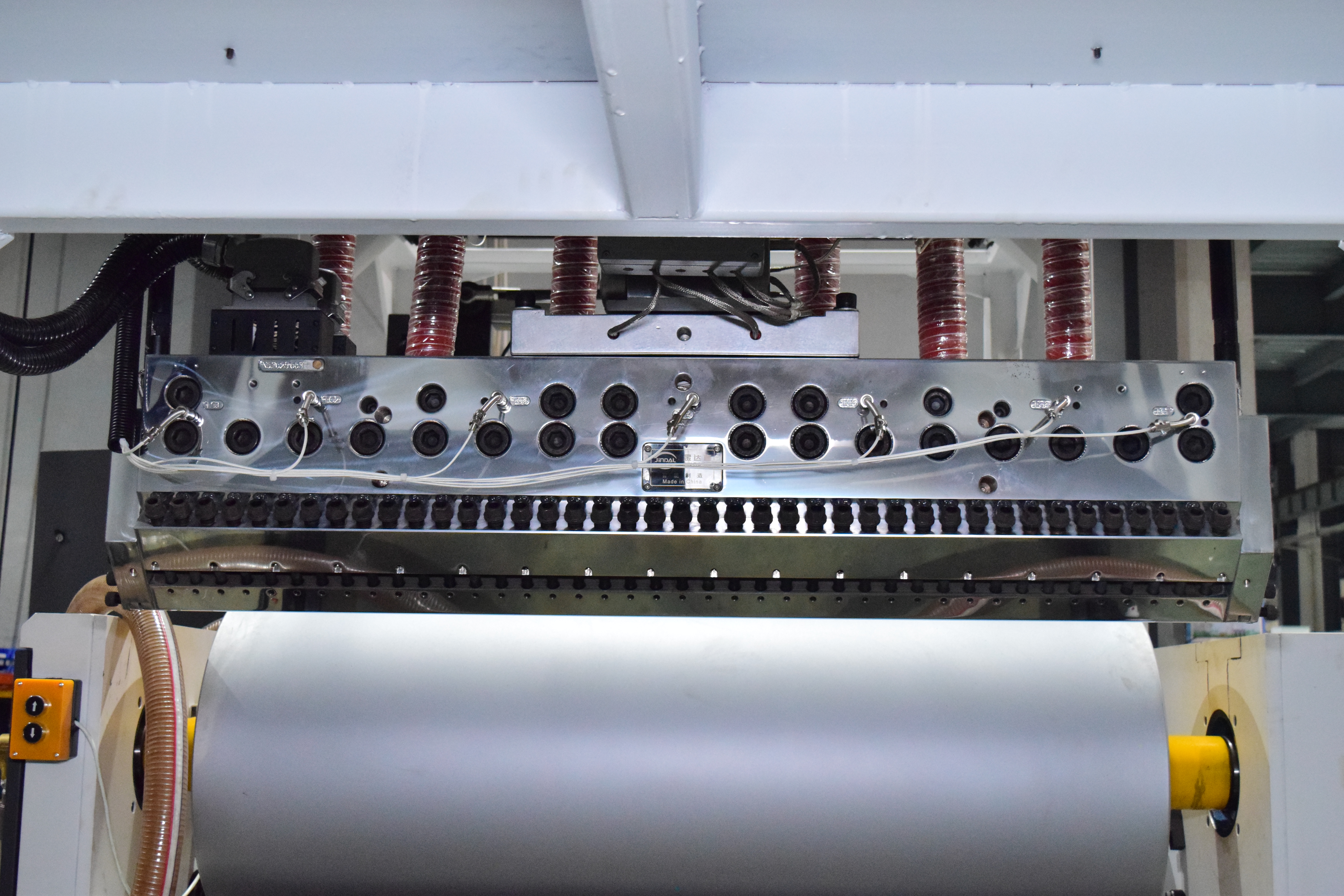
In the field of film extrusion, the performance of the T-DIE directly determines the quality, stability, and consistency of the final product. As a professional machinery manufacturer, JC-TIMES high-precision T-DIE offers a significant technological advantage over ordinary T-Die systems, especially in terms of machining accuracy, material hardness, and long-term operational stability.
One of the most critical differences lies in die lip gap precision. The JC-TIMES high-precision T-DIE controls the die lip gap tolerance within ±0.01mm, ensuring extremely uniform melt flow during extrusion. This high level of precision allows the molten material to be distributed evenly across the entire width of the film, resulting in consistent thickness and improved product quality. In contrast, ordinary T-Die systems typically have a machining tolerance greater than 0.05mm, which often leads to uneven material distribution and noticeable thickness variation in the final film.
Material hardness is another key factor that differentiates the two systems. The JC-TIMES high-precision T-DIE undergoes advanced nitriding treatment, achieving a surface hardness of HRC ≥ 58. This significantly enhances wear resistance and ensures long-term dimensional stability even under continuous high-speed production conditions. On the other hand, ordinary T-Die systems generally have a hardness below HRC45, making them more susceptible to wear, deformation, and gradual loss of precision over time.
In addition, structural stability plays an important role in long-term performance. The JC-TIMES high-precision T-DIE is engineered to withstand thermal expansion and high-pressure melt impact, maintaining consistent lip gap alignment during extended operation. In comparison, ordinary T-Die structures are more prone to micro-deformation under heat and pressure, which further contributes to instability in film thickness control.
Overall, the JC-TIMES high-precision T-DIE delivers superior precision, durability, and production consistency compared to ordinary T-Die systems. While standard T-Die solutions may still be suitable for basic applications, they fall short in demanding production environments that require high-quality output and stable long-term operation.
For manufacturers seeking higher product standards and improved production efficiency, investing in a high-precision T-DIE is not merely an equipment upgrade—it is a critical step toward achieving consistent quality and competitive manufacturing performance.