
Technical Encyclopedia
Applications of a Medium-Speed Bubble Film Machine
In today's manufacturing landscape where efficiency meets practicality, medium-speed bubble film machines strike the perfect balance for growth-oriented businesses. This technology delivers consistent...
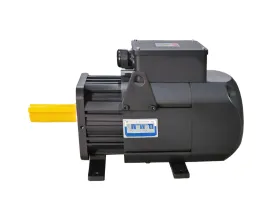
How Permanent Magnet Synchronous Motors Achieve ±1% Torque Accuracy Control
Discover how Permanent Magnet Synchronous Motors (PMSM) achieve ±1% torque accuracy through Field-Oriented Control (FOC), high-resolution encoders, and intelligent algorithms. This technology enables precise bubble film machinery operation for consistent product quality...
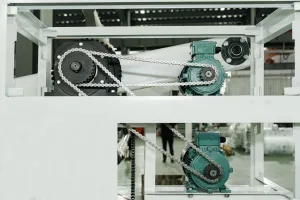
Worm Gear vs. Belt Drive: Why Worm Gears Offer Superior Precision in Extrusion
In the demanding world of bubble film extrusion, drive system precision dictates product quality. While belt drives are common, worm gear technology delivers unmatched consistency for multi-layer lines. This analysis reveals why worm gears provide superior torque control, zero slip, and critical self-locking...
L/D Ratio Meaning for Air Bubble Film Parameters
In the technical specifications of a bubble wrap machine, few parameters are as critical yet misunderstood as the L/D Ratio (Length-to-Diameter Ratio). Often expressed as a simple figure like 30:1 or 34:1, this ratio is the primary indicator...

How Air Bubble Film Machines Produce Different Width Products
Discover the engineering precision behind modern air bubble film machines capable of producing widths from 1600mm to 3000mm. This technical analysis explores screw configuration, power systems, and structural innovations that deliver versatility without compromising efficiency or film integrity...
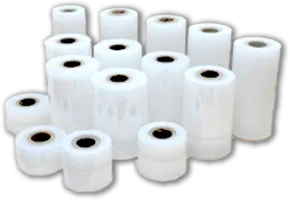
How Stretch Film Machines Produce Different Width Products
Discover how stretch film machines from 1.0m to 2.0m widths transform production efficiency and product flexibility. Learn why output scales non-linearly, how power requirements evolve, and what...
Power Requirements of Bubble Film Making Machine
The total installed power of an air bubble film machine is a critical factor in production planning and operational cost control. It typically ranges from 30kW to over 300kW, depending on the machine's configuration, such as the number of layers (2–7) and film width. This power consumption encompasses the combined needs of the extruder motors, heating zones, forming units, and auxiliary systems like cooling and winding. A well-calibrated power setup ensures...
Key Factors for Minimizing Thickness Tolerance in Air Bubble Film Extrusion
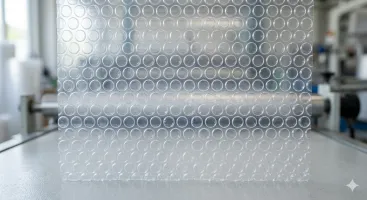
Achieving minimal thickness tolerance in air bubble film extrusion hinges on thermal uniformity, stable melt viscosity, and precise die control. Consistent temperature management across the barrel ensures even material flow...
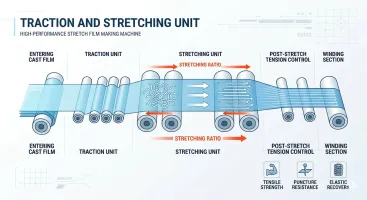
Traction and Stretching Function of Stretch Film Making Machine
The Traction and Stretching Function is the engineered heart of modern stretch film production. This critical subsystem utilizes precision rollers to stretch the molten polymer web at a controlled speed ratio. This process fundamentally alters the film's molecular orientation, delivering...

Pros and Cons of Using Eco-friendly Materials in Stretch Film Making Machine
Integrating PCR and bio-based resins into modern Stretch Film Making Machines presents a critical technical challenge: maintaining high performance while achieving sustainability goals. The key lies in machine design precision...